 Artigos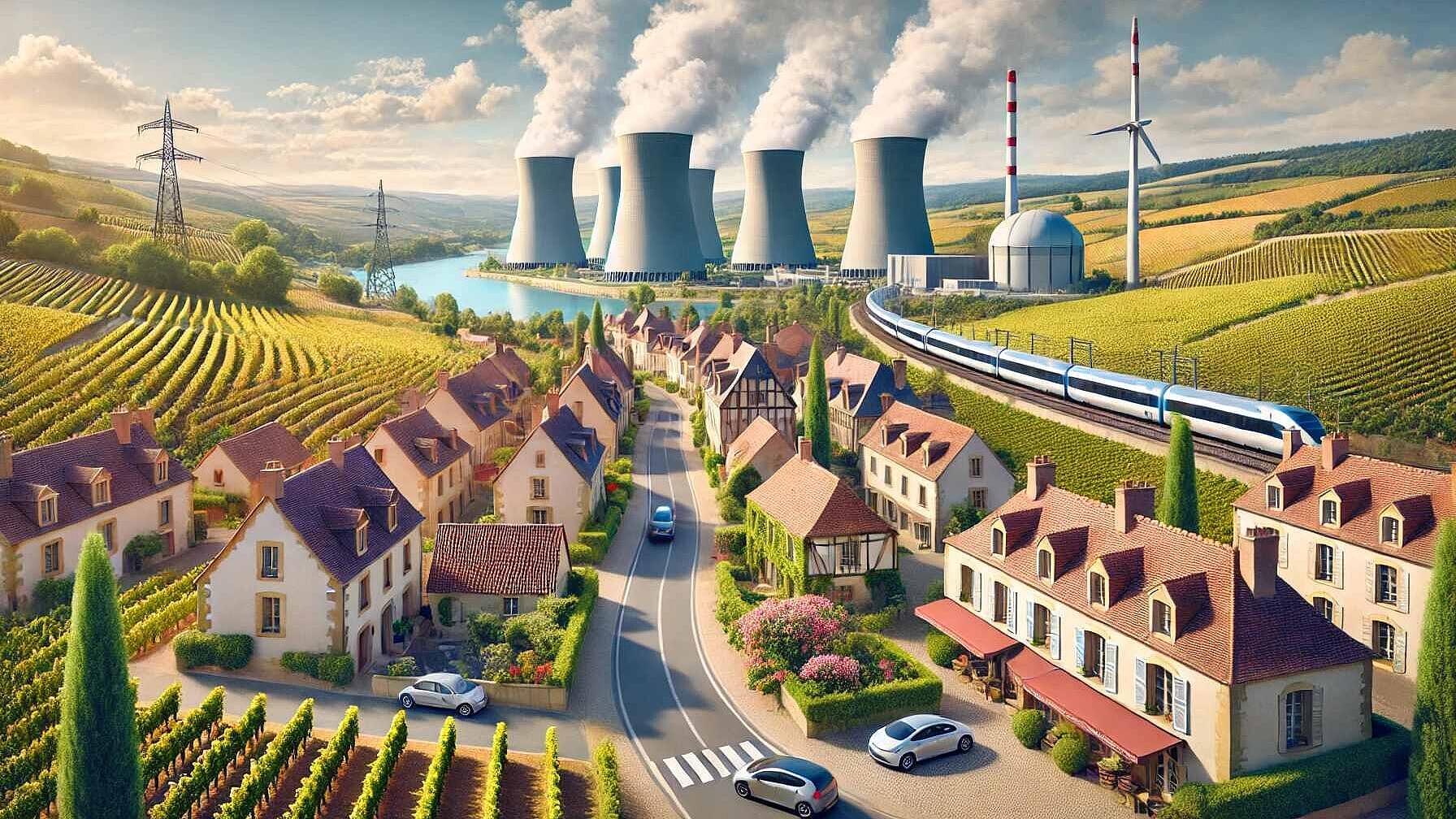
Analysis of the Front National 2024 Program and Its Potential Impact on Financing the Energy Transition
The Rassemblement National (RN) 2024 program advocates for national sovereignty and economic protectionism with reservations about the European Union, focusing on nuclear power and traditional energy sources over renewables. The program might reduce regulatory support for renewable energy, shifting subsidies to nuclear and fossil fuels, which could hamper the growth of renewable sectors and increase financing costs due to a less attractive investment environment. Investor confidence might waver due to potential policy shifts and socio-political instability, while opportunities for public-private partnerships in renewable energy may decline. France's divergence from EU energy transition goals could create friction, affect its involvement in EU initiatives, and decrease collaboration on cross-border investments, influencing the EU energy market negatively. In the short term (1-2 years), France may experience regulatory stagnation and an investment pivot towards traditional energies, hindering renewable energy ventures. Over the medium term (3-5 years), policy adjustments could occur if RN strategies result in setbacks, leading to a generally slower energy transition pace. As for the EU, tensions could arise in the initial years, possibly reducing funding for France's renewable projects. In the medium term, France's policy divergence from EU green objectives might necessitate strategic realignments within the EU, impacting progress towards collective energy transition goals. Overall, if the RN 2024 program is enacted, it's likely to have adverse effects on the funding and advancement of the energy transition in both France and the wider EU, increasing financing costs and creating a more challenging environment for achieving renewable energy goals.
Leer Artigo completo
EEIP Leads the Way in Transparent and Responsible AI Use
EEIP's AI policy emphasizes transparency, ethical behavior, and data protection, aligning with EU guidelines to foster trust and drive responsible AI in the energy sector for sustainable, innovative solutions like CircularPSP and DMaaST, within regulatory compliance.
Leer Artigo completo
The Economic Impact of AI on Energy Transition: Financial Institutions at the Forefront of a Green Revolution
AI accelerates the global energy transition by optimizing grid operation, predictive maintenance, and energy efficiency, advancing R&D, and enhancing energy trading strategies, attracting investment and job creation, with associated financial opportunities and risks.
Leer Artigo completo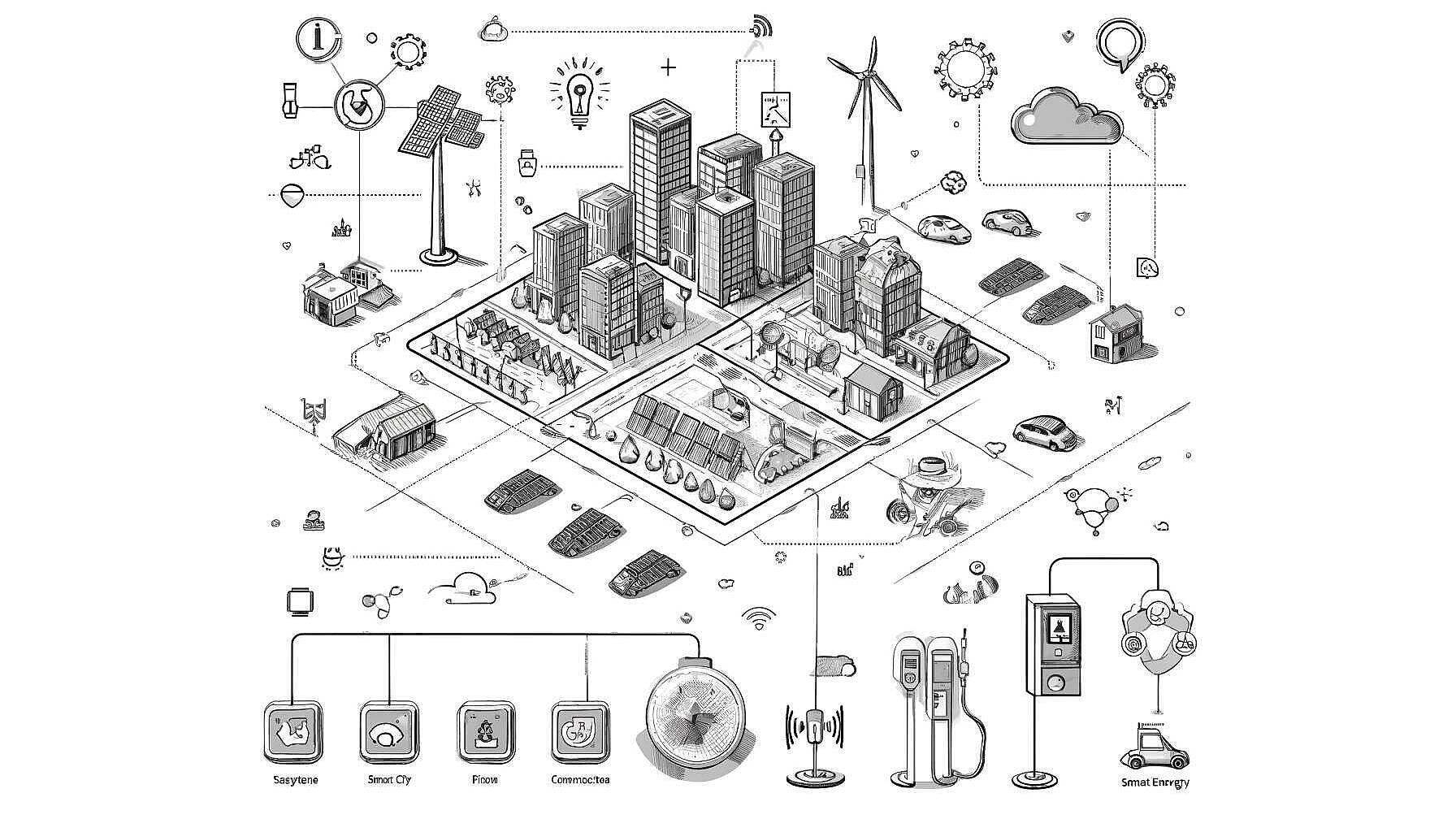
Revolutionizing Urban Living: Insights from the STARDUST Project
The STARDUST project exemplifies sustainable urban transformation through smart integration in energy, mobility, and ICT in "lighthouse" and "follower" cities, focusing on renewable infrastructure, innovative technologies, regulatory adaptability, stakeholder engagement, and novel business models to foster replicable sustainable city initiatives.
Leer Artigo completo
Transforming the Grid: Electric Vehicles as Key Players in the Energy Landscape
The "Solution Booklet: Electric Vehicles and the Grid" discusses the increase of EVs in Europe, the necessity for robust charging infrastructures, strategic city planning for EV integration, technical, societal, and governance aspects of smart charging and V2G technologies, as well as innovative solutions and economic considerations for successful EV and energy grid synergy.
Leer Artigo completo
The Great EENOVA Adventure: Benny the Baker's Wacky Quest for Energy-Smart Snacks!
FUN STORY: The EENOVA project enhanced energy efficiency in Foodville's food processing industry through whimsical roundtables, innovative audits, practical solutions, policy recommendations, celebratory events, skill training, and humorous communication strategies, leaving a sustainable and competitive legacy.
Leer Artigo completo
The Mechanics of Ceramics: How the Industry Can Decarbonize
The ceramics industry in Europe has made significant progress in energy optimization, cutting consumption by half in 25 years. Challenges persist, including reliance on carbon-emitting methane burners and raw material imports. Innovations and regulatory measures aim to decrease emissions and resource waste, promoting sustainable manufacturing across the sector's 338,000 jobs and €27.8 billion contribution to the EU economy.
Leer Artigo completo
Innovative Energy Efficiency in the European Food and Beverage Industry: A Holistic Human-Centered Approach
The INDUCE project under Horizon 2020 promotes energy efficiency in the European food and beverage sector with a human-centered design approach. Its methodology, validated by pilot programs, combines technical, behavioral, and cultural changes for sustainable energy practices, targeting broad industry application and energy savings.
Leer Artigo completo
Energy Insights: The Secret Sauce for the Food and Beverage Industry
The paper outlines how food and beverage companies can use Energy Management Systems to cut costs, increase efficiency, and promote sustainability by using real-time data and predictive maintenance, bolstered by IoT and smart sensor technology.
Leer Artigo completo
The Core of Europe's Economy: A Deep Dive into the EU Food and Drink Industry
The EU food and drink industry is a key economic player with a €1,192 billion turnover and significant investment. Employing 4.72 million people, it leads manufacturing employment but sees lower labor productivity. The sector is embracing digitalization and prioritizing sustainability while maintaining a strong global trade presence.
Leer Artigo completo