
The European Union is moving into a new phase of building energy efficiency policy, with updated requirements designed to accelerate renovation, reduce energy costs and support the transition towards a decarbonised building stock by 2050. The changes also highlight the growing importance of smart energy management, efficient heating and investment in existing buildings.
On 30 May 2026, the deadline for EU Member States to transpose the revised Energy Performance of Buildings Directive (EPBD) into national legislation marked an important step in Europe’s energy transition. As explained in the European Commission’s announcement of 29 May 2026, the updated framework aims to modernise Europe’s buildings, reduce energy consumption and make energy costs more manageable for households and businesses.
The scale of the challenge is substantial. According to the Commission, buildings account for around 40% of EU energy consumption and 36% of energy-related greenhouse gas emissions, while approximately 75% of the building stock has poor energy performance. Improving efficiency is therefore not simply a question of replacing heating equipment or adding insulation. It requires a coordinated approach to renovation, energy management, financing and the integration of cleaner energy technologies.
Building energy efficiency: from policy targets to practical renovation
The revised Energy Performance of Buildings Directive establishes a framework for gradually improving the performance of residential and non-residential buildings across the EU. Member States must develop national building renovation plans that reflect their existing building stock, investment needs and national circumstances. Particular attention is given to the worst-performing buildings, where improvements can deliver significant energy savings and better living conditions.
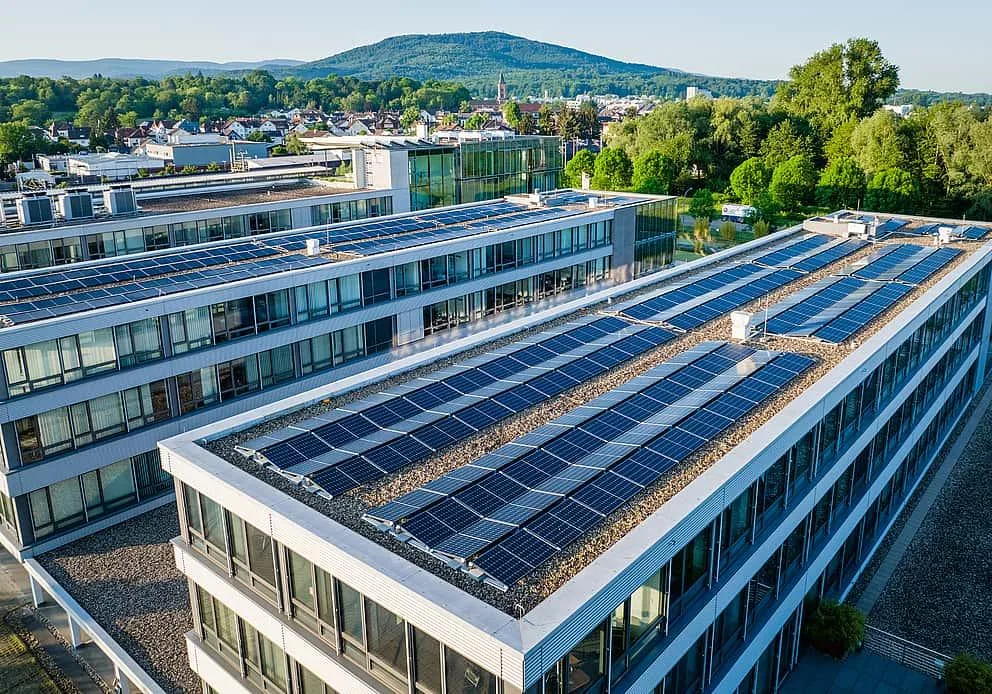
The measures cover several connected areas. Renovation policies are intended to improve the efficiency of existing buildings, while zero-emission requirements will shape new construction. The framework also supports the progressive integration of solar energy, the transition away from fossil fuel heating and improvements in the way buildings monitor and control energy consumption. These changes will be introduced through national legislation and implementation measures rather than through an identical renovation programme in every Member State.
For building owners, the practical implications will depend on the type of property, its current performance and the rules introduced nationally. Insulation, efficient heating and cooling, renewable energy integration and better control of technical systems may all contribute to lower energy demand. The challenge is to combine these measures effectively, so that investments improve the performance of the building as a whole rather than addressing individual components in isolation.
Smart buildings and energy management become increasingly important
One of the important developments in the revised framework is the stronger emphasis on building modernisation and digitalisation. The Directive includes provisions relating to building automation and control systems in non-residential buildings, alongside requirements addressing indoor environmental quality and infrastructure for electric mobility.
Building automation can help identify inefficient operating patterns, adjust heating and cooling to actual demand and monitor whether equipment is performing as intended. In offices, commercial premises and other non-residential buildings, these capabilities can be particularly valuable because energy consumption varies with occupancy, operating hours and the interaction between different technical systems. Digital monitoring does not automatically guarantee energy savings, but it provides information that can support better operational decisions and help verify improvements.
This approach also reflects a wider principle of energy efficiency: reducing unnecessary consumption should be considered alongside the transition to cleaner energy sources. Better controls, efficient equipment and improved building envelopes can reduce the amount of energy that must be supplied in the first place. That can make renewable heating and electricity systems easier to integrate and, in some circumstances, reduce the capacity required for new equipment.
Financing the transition and connecting building efficiency with wider energy systems
Renovating Europe’s building stock requires more than technical solutions. The Commission’s framework also recognises the importance of financing and technical assistance, particularly for vulnerable households, people affected by energy poverty and residents of social housing. These measures are intended to help ensure that the benefits of improved energy performance are not limited to those who can already afford major renovation projects.
Financing challenges also matter for commercial and non-residential buildings, where investment decisions often involve competing priorities, uncertain future energy prices and the need to demonstrate measurable returns. Reliable assessments of energy consumption, realistic savings estimates and suitable financing arrangements can help turn efficiency opportunities into investable projects. The effectiveness of national implementation will therefore depend partly on whether building owners can access the technical expertise and financial support needed to act.
For Energy Efficiency in Industrial Processes (EEIP), the policy development is relevant to the broader European effort to improve energy productivity and accelerate decarbonisation. Although the EPBD focuses on buildings rather than industrial production processes, several underlying challenges are shared: understanding energy demand, improving system efficiency, integrating renewable energy and overcoming barriers to investment. Industrial facilities can also contain offices, warehouses and other buildings whose energy performance must be considered alongside production-related consumption, although the applicable requirements depend on the building’s use and legal classification.
The revised Directive reinforces the importance of treating energy efficiency as a practical investment and systems challenge, rather than solely a regulatory requirement. Across buildings and industry, meaningful progress depends on combining suitable technologies with sound engineering, operational knowledge and viable financing.
As Member States implement the updated framework, attention will increasingly turn to the measures that deliver measurable improvements in real buildings. Readers can explore the European Commission’s explanation of the new building energy efficiency rules and follow EEIP’s work on energy efficiency and industrial decarbonisation for related developments, technologies and European initiatives.
Test your knowledge of building energy efficiency with EnerWhizz
How much do you know about energy-efficient buildings, smart energy management and the technologies shaping Europe’s energy transition?

Put your knowledge to the test with EnerWhizz, EEIP’s interactive energy quiz game. Through quick 45-second rounds of five Yes/No questions, players can explore topics including building renovation, energy efficiency, renewable energy and European energy policies while competing in national and international leagues.
