 Articles
Enhancing Marketing Success through Food Value Chains: A Guide to Creating Shared Value
Food value chains are an innovative shift in the agribusiness sector, integrating social objectives with business operations. They are distinguished by their focus on transparency, stakeholder support, and sustainability. This approach not only meets consumer demands for ethically produced goods but also allows producers to retain a larger portion of food retail earnings. Collaboration within food value chains yields economic advantages, including better pricing, market targeting, and shared risk management, leading to increased financial stability for producers and allowing investment in sustainability. The chains positively affect communities and the environment, fostering resource conservation, carbon footprint reduction, local sourcing, and fair wages. This support for local economies can stimulate further economic growth. The sustainability of food value chains is contingent on leadership and shared values among participants, emphasizing transparency, ethical practices, and collective well-being. This leadership approach is key to building trust, cooperation, and ensuring the long-term success of these chains.
Read Full article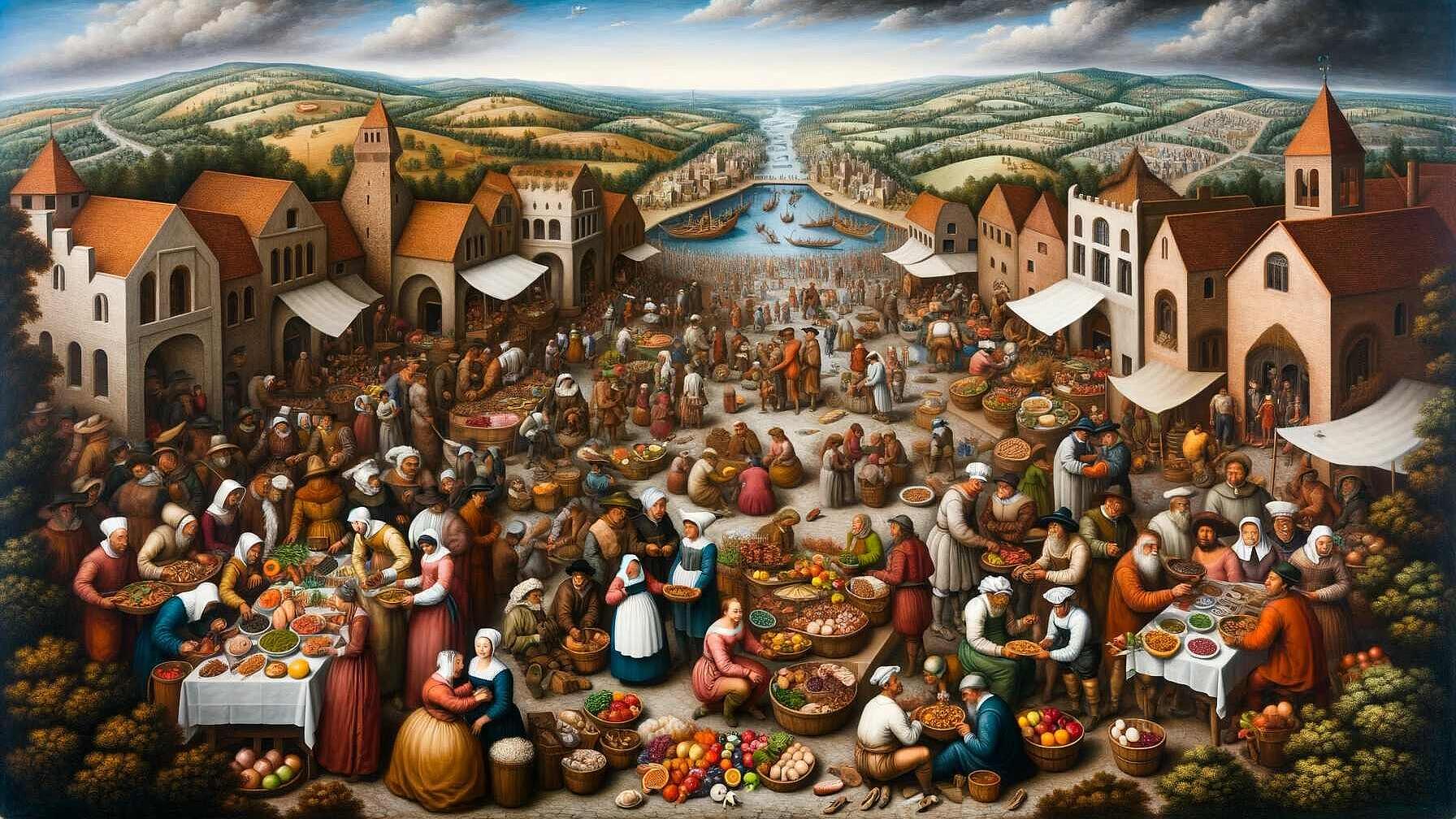
Navigating the Global Food Value Chain: Challenges and Opportunities for the 21st Century
The paper discusses the complexities of the food value chain, addressing global food demand challenges due to population growth, urbanization, and changing diets. It explores advancements in agricultural technologies and strategic market responses towards sustainability and health-conscious consumption trends.
Read Full article
Harnessing Energy Efficiency in the Food and Beverage Industry
The white paper discusses energy challenges in the food industry, emphasizing the need for efficiency amid rising global energy demands. It outlines strategic energy assessments and technological solutions like variable speed drives for reducing energy use and improving sustainability, citing case studies demonstrating significant energy savings.
Read Full article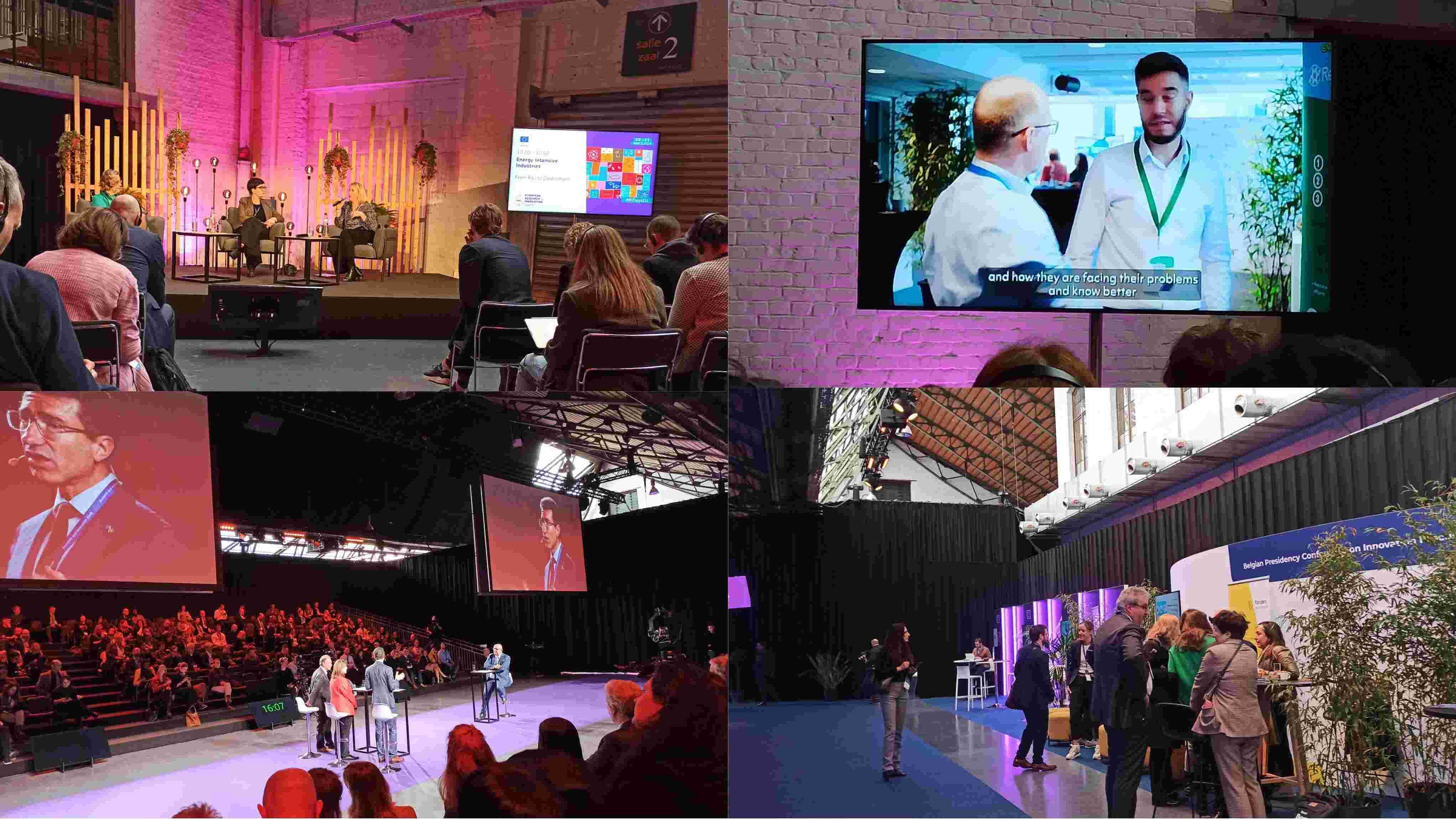
THE PATH TO TRANSFORMATION: EUROPEAN RESEARCH AND INNOVATION DAYS 2024
The European R&I Days highlighted the need for a comprehensive government approach involving research and innovation to achieve the European Green Deal’s decarbonization targets. Showcasing success stories, it emphasized collaboration for transforming energy-intensive industries and integrating R&I for a sustainable future.
Read Full article
THE DECENTRALIZATION OF ENVIRONMENTAL TAXES: ENVIRONMENTAL OR ECONOMIC ADVANTAGE?
The article examines the efficacy of decentralizing environmental taxes to address region-specific environmental issues, contrasting it with centralization that may cause fiscal competition and efficiency losses. It suggests harmonizing economic incentives with environmental protection to optimize the impact of environmental taxes on sustainability.
Read Full article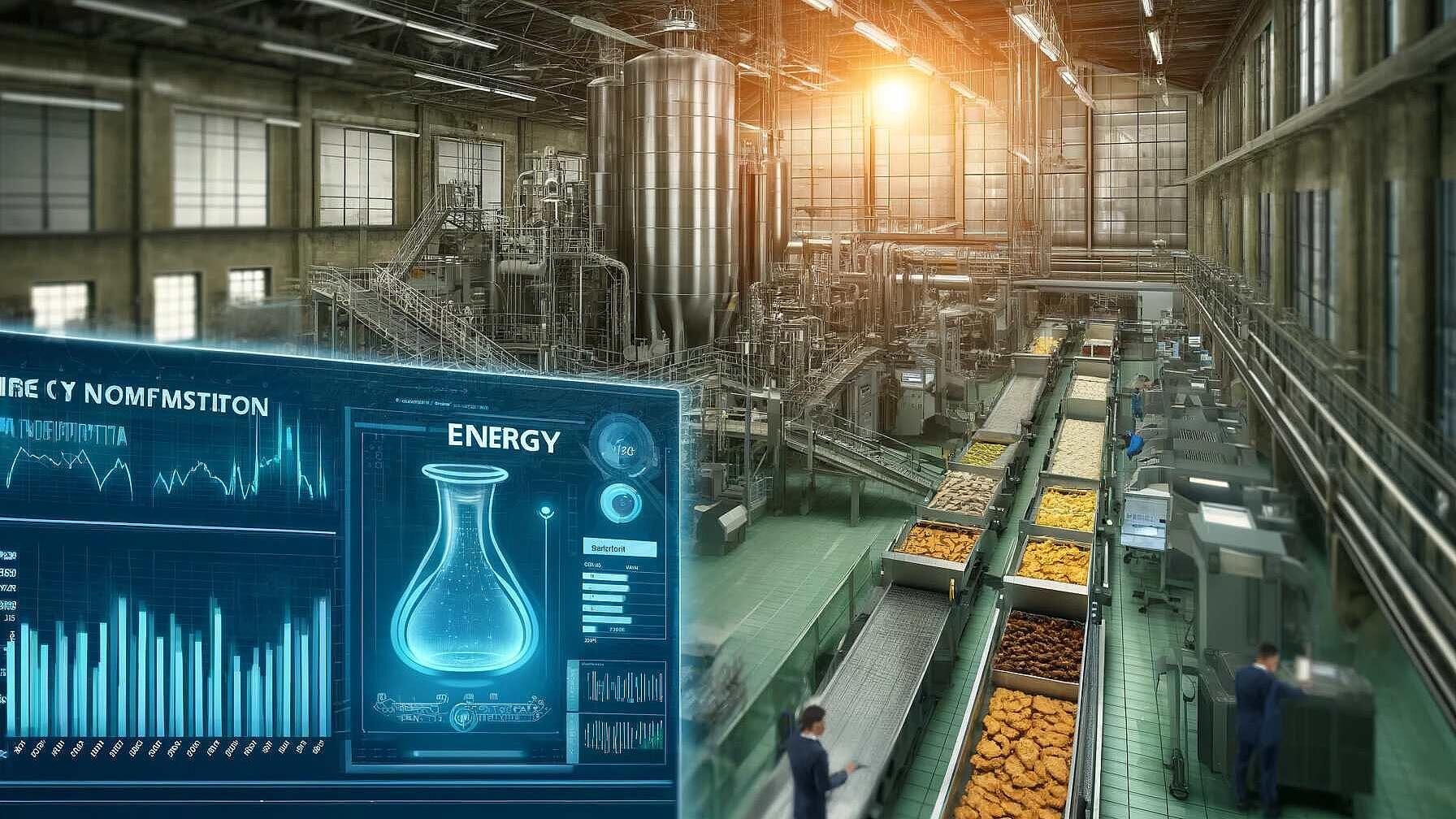
Energy Consumption in Food Manufacturing: A Comprehensive Insight
This study addresses the energy-intensive nature of food production, highlighting the substantial emissions from specific products and processes. It underscores the lack of consistent energy data and advocates for optimizing production, adopting new technologies, and reevaluating transportation to enhance energy efficiency in the food sector.
Read Full article
Pioneering the Path to Net Zero: Decarbonizing Heat in the Food and Drink
The UK's food and drink sector aims to cut emissions from electricity and heat by up to 80% from 2012 levels, but heat decarbonization lacks clear strategies. Transition hinges on overcoming financial, technical, and policy barriers, requiring government-industry collaboration and supportive measures.
Read Full article
Decarbonising the European Food and Drink Sector: A Net Zero Roadmap
European food and drink manufacturers must decrease their 94 Mt CO2e emissions to align with the EU's 2050 net-zero goal. Decarbonisation involves sustainable practices, overcoming high costs, leveraging renewable energy, and adopting measures like advanced energy management to reduce emissions efficiently.
Read Full article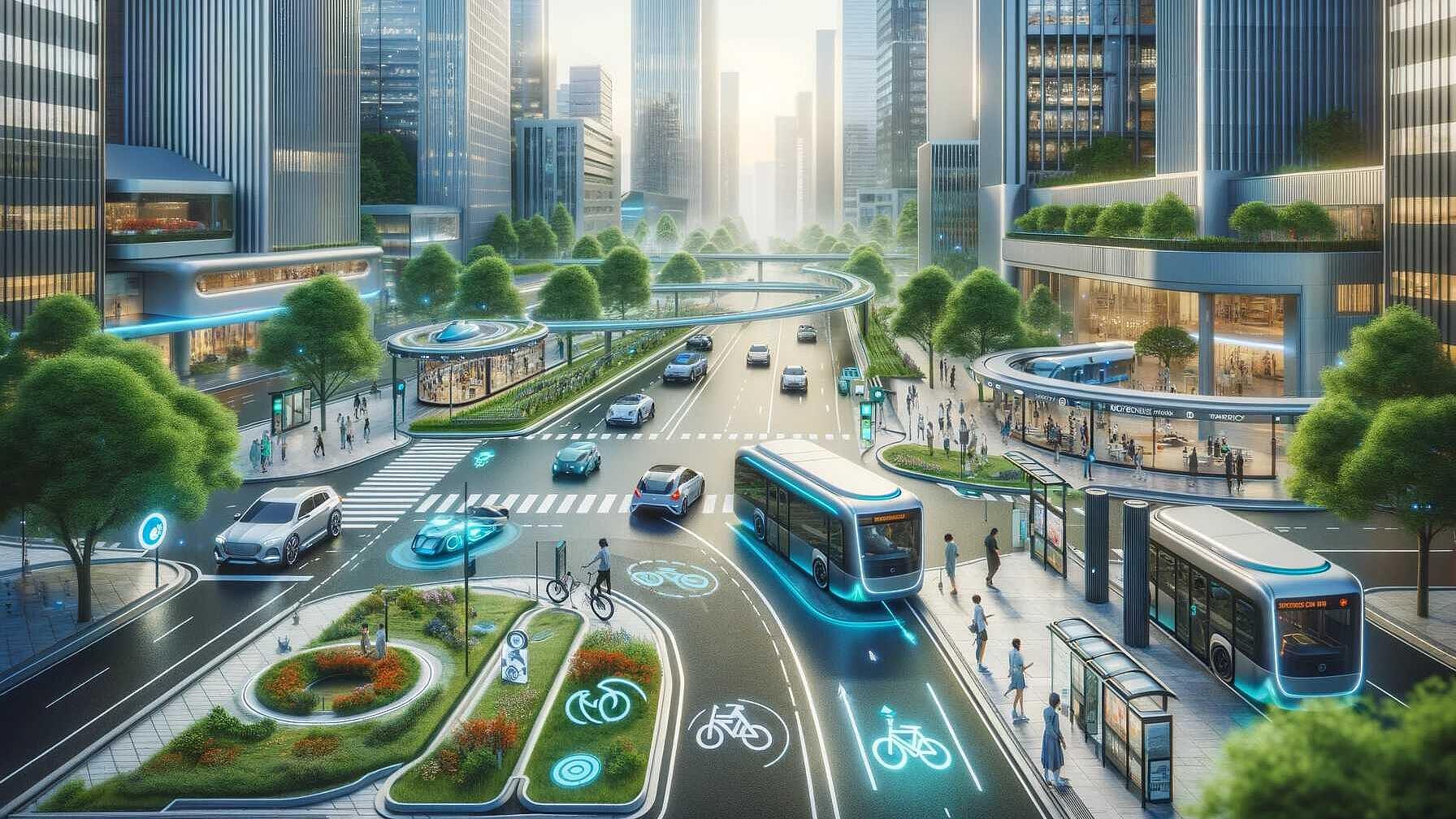
Revolutionizing Transit: Europe's Top Smart Mobility Solutions
Europe advances smart mobility, driven by sustainability and urbanization challenges. EU policies promote electric and autonomous transport, integrating innovations like IoT, MaaS, and AI. Case studies from Barcelona, Stockholm, and Amsterdam highlight smart solutions reshaping urban travel, setting global benchmarks.
Read Full article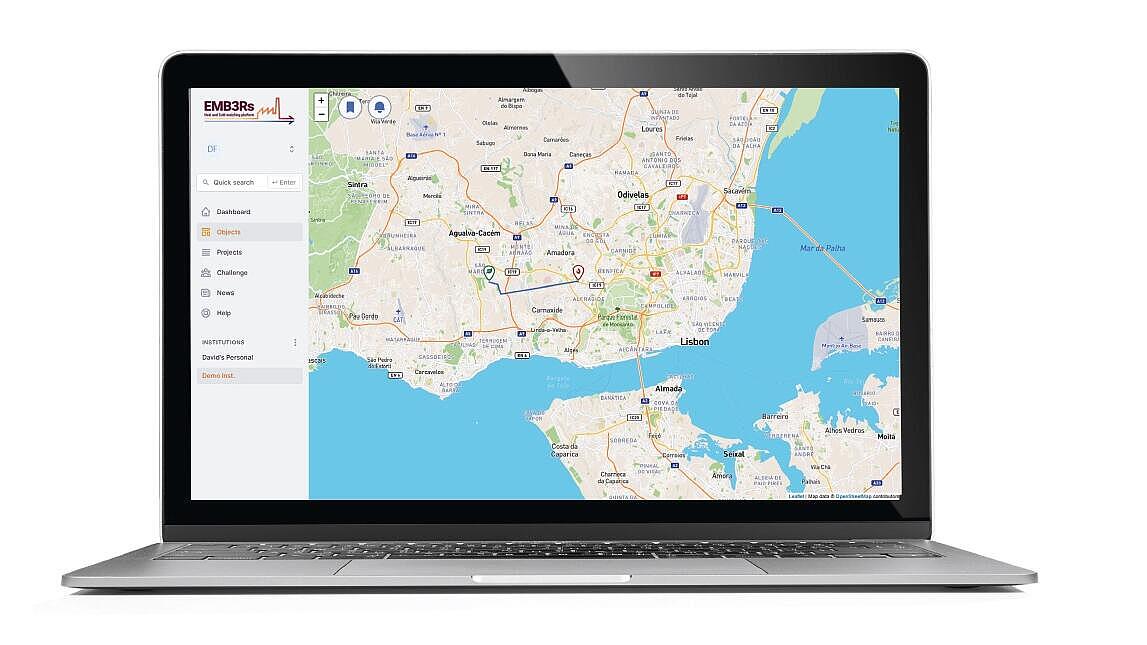
An Uber for heat: How a new platform can help industries reuse excess heat and meet decarbonisation goals
Mafalda Silva is a Senior Researcher at the Institute of Science and Innovation in Mechanical and Industrial Engineering. She has participated and managed multiple projects concerning energy planning and sustainability. Silva has developed a heat and cold matching platform that determines the costs and benefits related to excess heat utilization routes for the industry and end users.
Read Full article