
The CircularPSP project was showcased at the European Sustainable Energy Week (EUSEW) 2026, bringing its vision for circular economy innovation and sustainable public procurement to one of Europe’s most influential energy policy events.
Representing the project, the EEIP team engaged with policymakers, public authorities, innovators, technology providers and sustainability experts throughout the week, highlighting how public procurement can become a powerful driver of circular economy solutions across Europe.
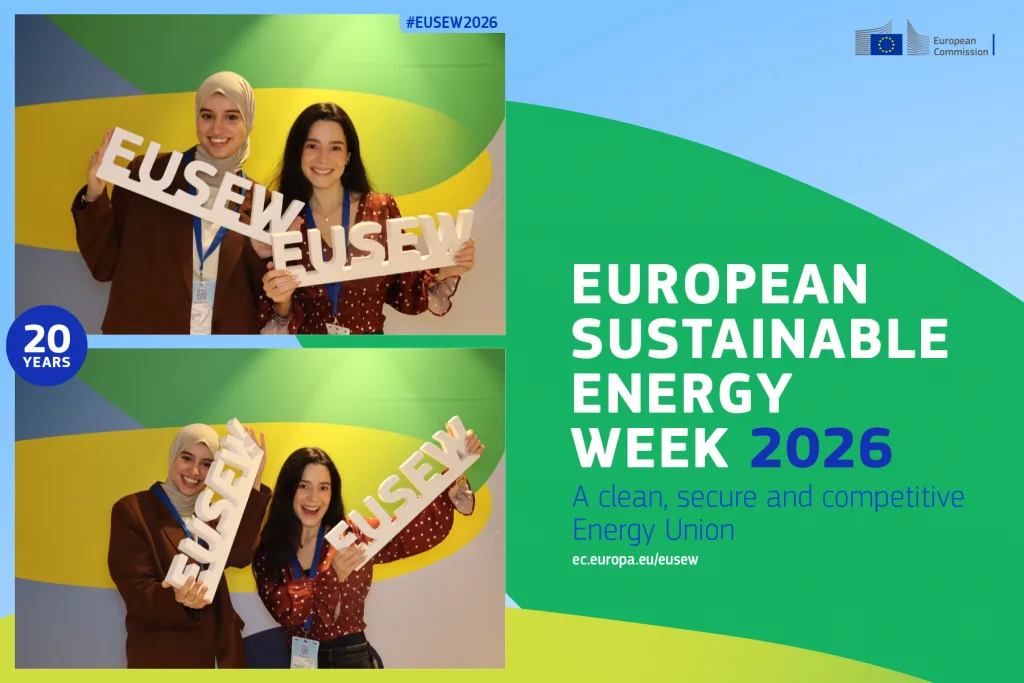
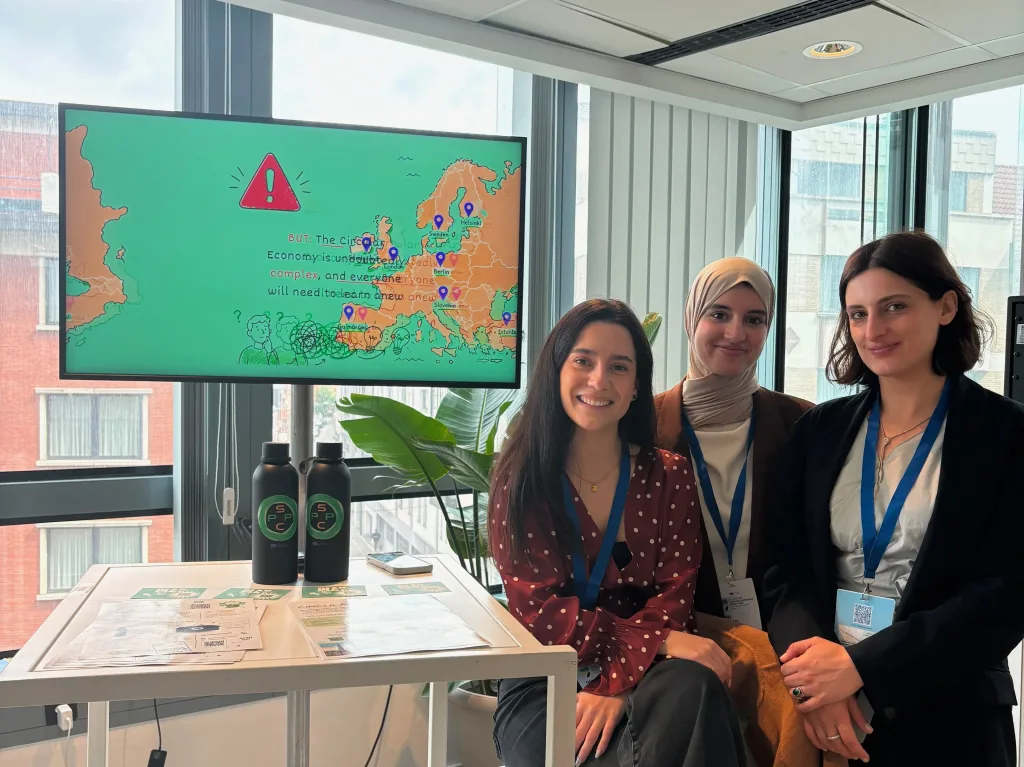
With a dedicated project booth in the EUSEW exhibition area, CircularPSP attracted strong interest from visitors exploring innovative approaches to resource efficiency, circular business models and sustainable urban development.
Bringing Circular Procurement to the European Stage
European Sustainable Energy Week is the European Union’s flagship event dedicated to renewable energy, energy efficiency and clean energy transition policies. Every year, it brings together thousands of stakeholders from across Europe to discuss the solutions needed to achieve Europe’s climate and sustainability ambitions.
For CircularPSP, the event offered an ideal opportunity to showcase how Pre-Commercial Procurement (PCP) can accelerate the development of innovative circular economy solutions that address real challenges faced by cities and public authorities.
Through the project, participating public buyers are working together to identify common needs and stimulate the market to develop new solutions that support circular resource management, waste reduction and more sustainable public services.
Engaging with Policymakers, Cities and Innovators
Throughout EUSEW 2026, the CircularPSP booth served as a meeting point for discussions on the future of circular innovation in Europe.
Visitors learned about the project’s approach to fostering collaboration between public procurers and innovators, helping bridge the gap between identified sustainability challenges and market-ready solutions.
The conversations focused on several key themes:
- Circular economy implementation
- Sustainable public procurement
- Resource efficiency
- Urban sustainability
- Innovation procurement
- Public-private collaboration
- Green transition strategies
The strong level of engagement demonstrated the growing recognition that procurement can play a strategic role in accelerating Europe’s transition towards a more circular economy.
Why Circular Procurement Matters
Public authorities represent a significant share of Europe’s purchasing power. By integrating circular principles into procurement processes, cities and public organisations can help create demand for innovative products and services that reduce environmental impacts while delivering public value.
Projects such as CircularPSP enable public buyers to move beyond traditional procurement models and actively stimulate innovation in areas where market solutions are not yet fully developed.
This approach not only supports sustainability objectives but also helps strengthen European innovation ecosystems and creates opportunities for emerging technology providers.
Building Momentum for Europe’s Circular Economy
Participation at EUSEW 2026 reinforced the importance of collaboration between public authorities, industry, innovators and policymakers.
The event provided valuable opportunities to exchange ideas, gather feedback and build new connections with stakeholders interested in advancing circular economy solutions across Europe.
For EEIP, supporting CircularPSP at EUSEW forms part of a broader commitment to accelerating sustainable innovation and helping bring promising European projects closer to the organisations that can benefit from their results.
As CircularPSP progresses, the project will continue engaging with cities, public buyers and innovators to demonstrate how strategic procurement can contribute to a more resource-efficient, resilient and sustainable Europe.
CircularPSP is funded by the European Union under Horizon Europe Grant Agreement No. 101118265.
Views and opinions expressed are however those of the author(s) only and do not necessarily reflect those of the European Union or the European Commission. Neither the European Union nor the granting authority can be held responsible for them.
