 Articles
Impact and nature of the declaration on Energy Efficiency Financing
The declaration serves as a political commitment within the European Energy Efficiency Financing Coalition, emphasizing the crucial role of energy efficiency in the EU's decarbonization efforts by 2050. It recognizes energy efficiency as an established, cost-effective approach to lowering emissions and supporting the clean energy transition, including meeting increased energy efficiency targets and a binding renewable energy target set by EU directives. Significant investment, primarily from private sources, is needed to achieve these goals and honor the Paris Agreement's aspiration to keep global warming below 1.5 degrees Celsius. The declaration aligns with the EU Green Deal and the REPowerEU plan to reduce reliance on Russian fossil fuels, promoting a clean, equitable, and inclusive shift toward climate neutrality. It also accentuates energy efficiency's role in bolstering economic resilience, ensuring energy affordability, and upholding competitiveness. Recognizing energy efficiency's broad benefits, it calls for enhanced EU-wide cooperation among financial institutions and policymakers to mobilize private financing for these initiatives. Signatories pledge to support the European Energy Efficiency Financing Coalition's activities, aiming to create an enabling environment for energy efficiency investments, supported by public awareness and skill development programs. Although the declaration does not establish new legal or financial commitments, it represents a consensus on advancing energy efficiency financing strategies in the EU.
Read Full article
Joint Declaration on the European Energy Efficiency Financing Coalition - Signed by Commission and all Member States
The European Energy Efficiency Financing Coalition was established through a Joint Declaration to mobilize private investment and create a robust funding framework for energy efficiency projects. The Coalition aims to bolster market environments and scale private funding to meet EU energy and climate targets.
Read Full article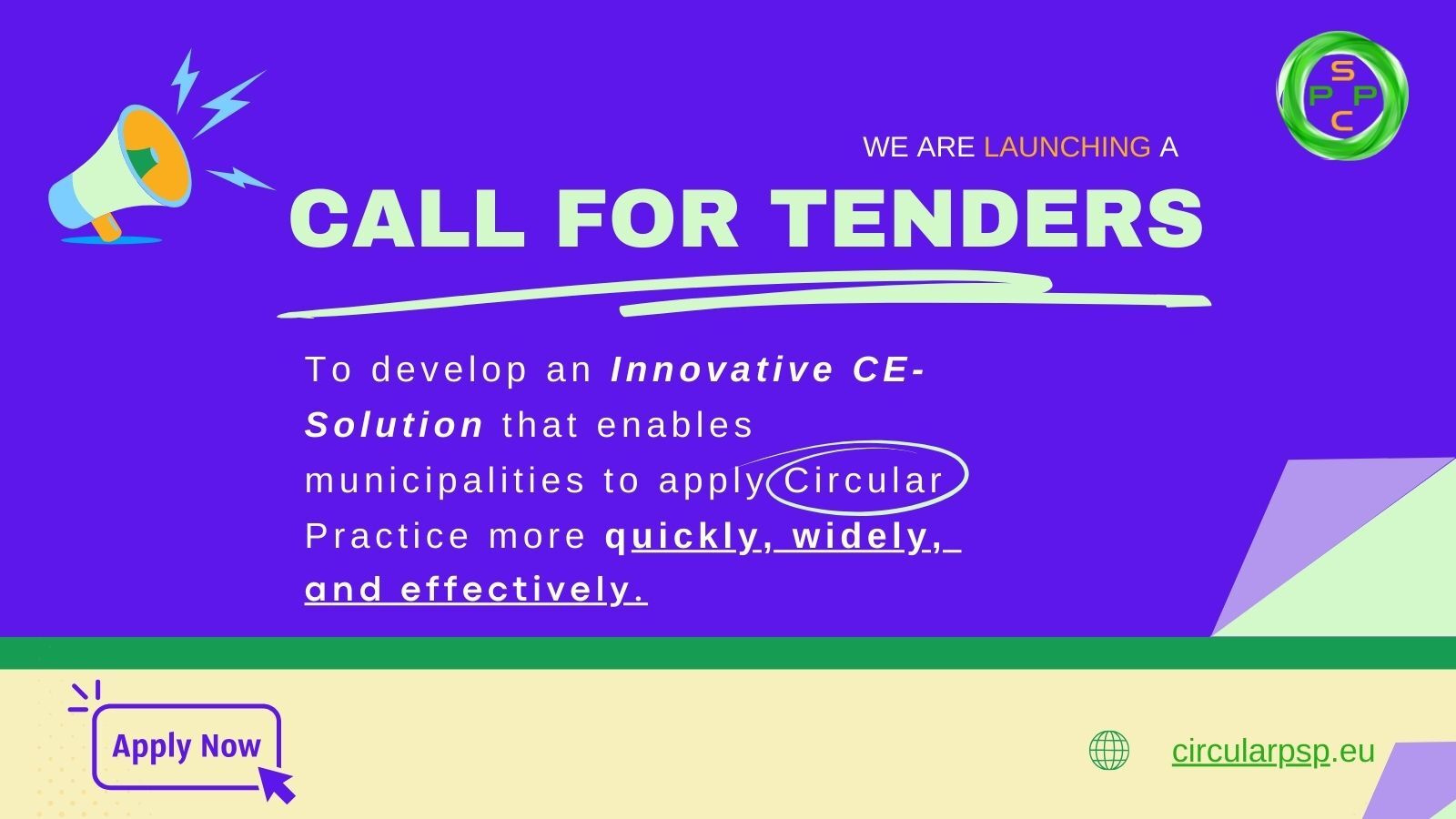
New R&D Funding Opportunity to Upscale Circular Economy Practice in Cities
CircularPSP, a consortium of eight European CE cities, is investing €5.64 million in CE R&D to expedite the circular practice adoption in municipalities and local businesses. The call for tender targets suppliers to create innovative CE solutions, with the bid deadline set for April 1, 2024.
Read Full article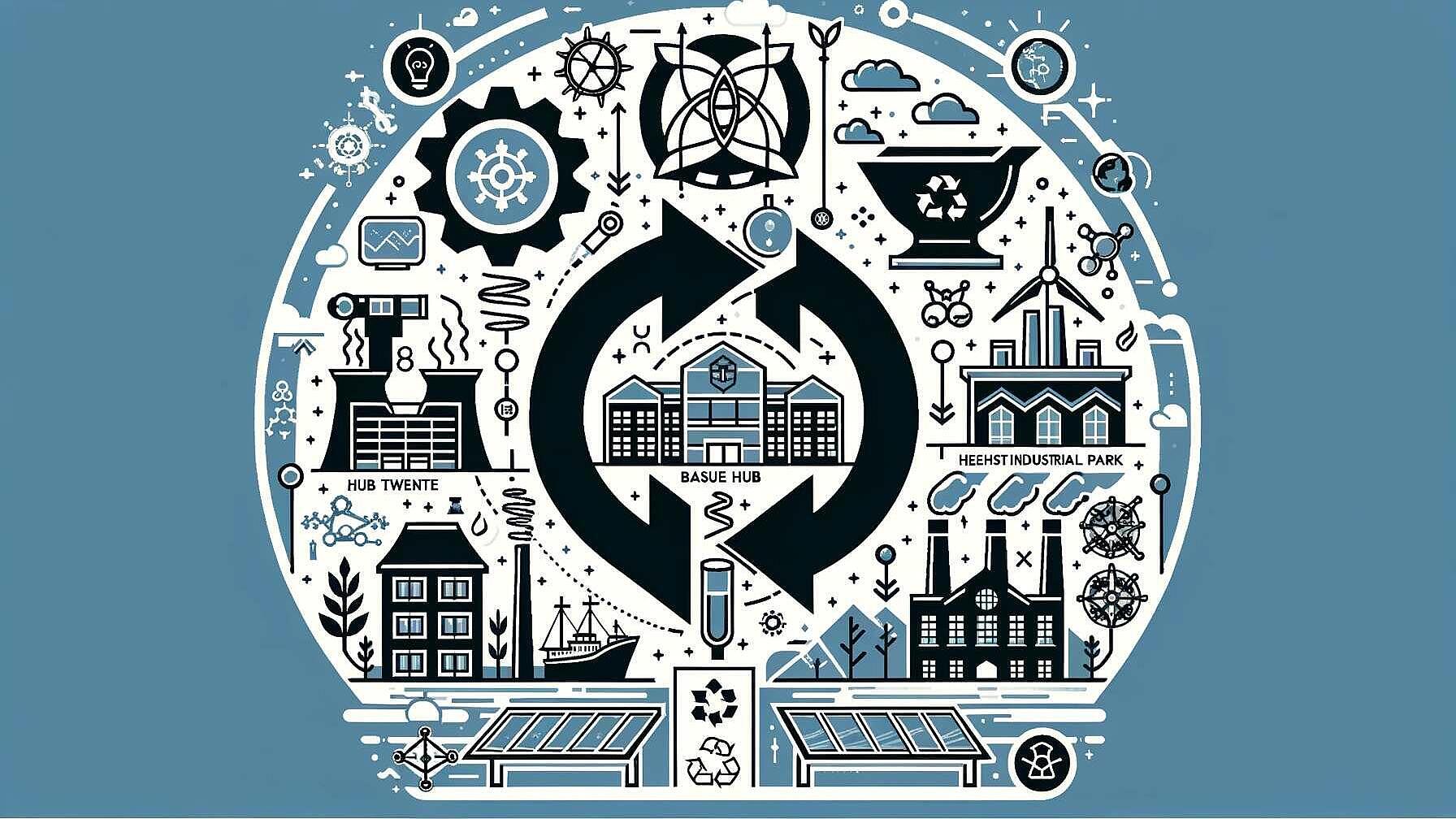
Transitioning industrial zones into hubs for circularity
The Horizon-Europe IS2H4C project, coordinated by Devrim Murat Yazan, University of Twente, and funded with 23.5 million euros, aims for systemic industrial symbiosis across Europe, targeting zero emissions and sustainable practices in various industries through innovation and the collaboration of 35 partners.
Read Full article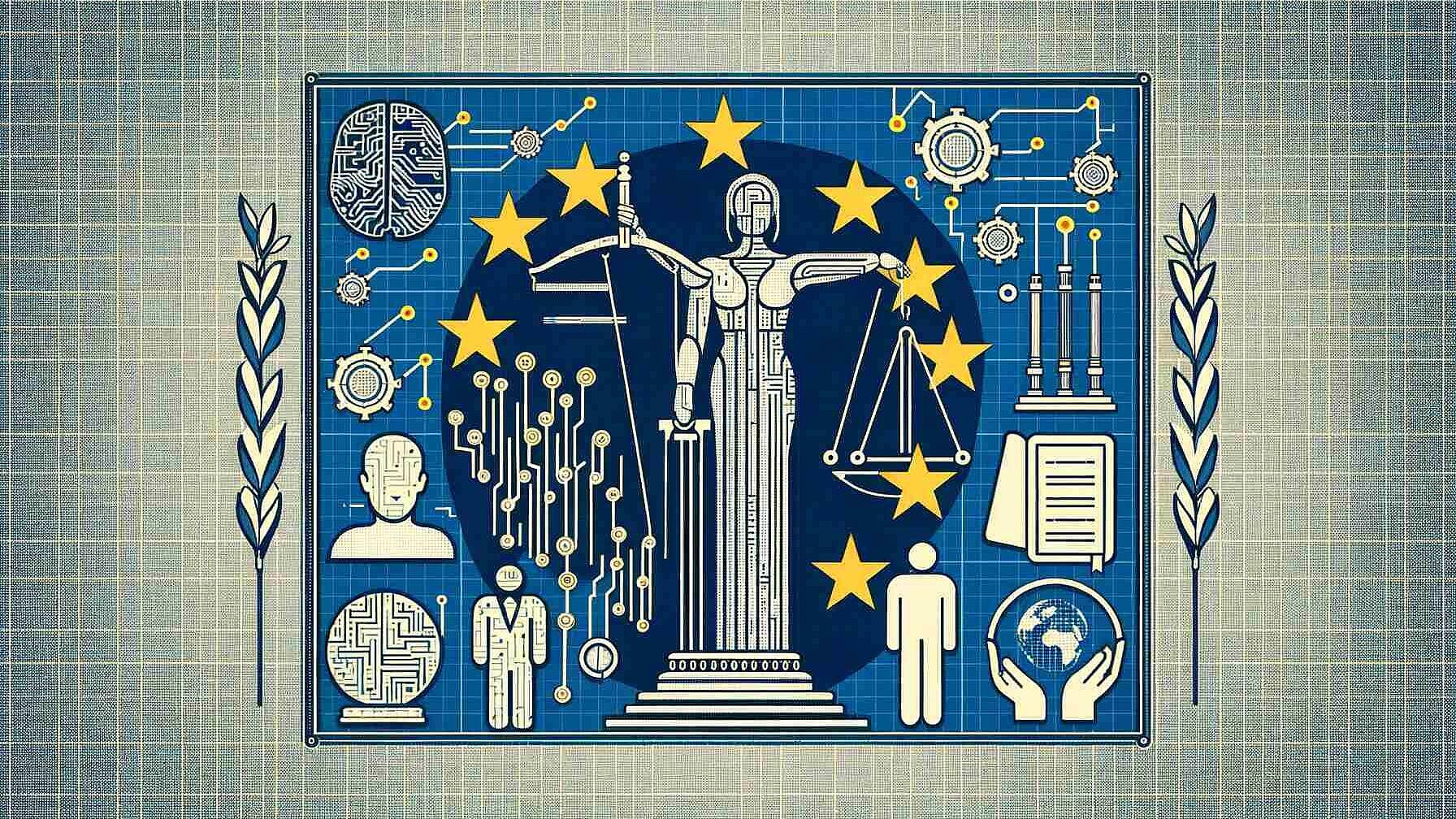
Artificial Intelligence Act: Landmark Deal Reached for World's First AI Rules
The EU's Artificial Intelligence Act, following a three-day negotiation, aims to integrate AI into the European market, balancing innovation with fundamental rights protection. The act's risk-based approach sets stringent rules for high-risk AI applications, excludes certain AI uses, and provides specific law enforcement exceptions. It establishes a governance system, including an AI Board, and introduces penalties for violations. The legislation will take effect two years post-enactment, with a focus on transparent and responsible AI development.
Read Full article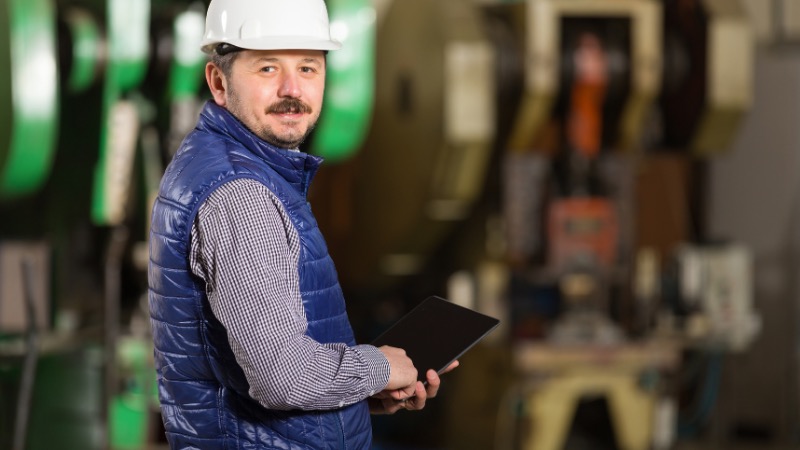
Empowering Small and Medium-sized Enterprises (SMEs) in the Energy Transition: The DEESME Project
The DEESME project, under EU's Horizon 2020, aids SMEs in energy efficiency endeavours, countering technical, financial, and awareness barriers. It provides a multi-layered approach to align SMEs with EU goals, offering policy recommendations and strategies to effectively implement Article 11 of the Energy Efficiency Directive.
Read Full article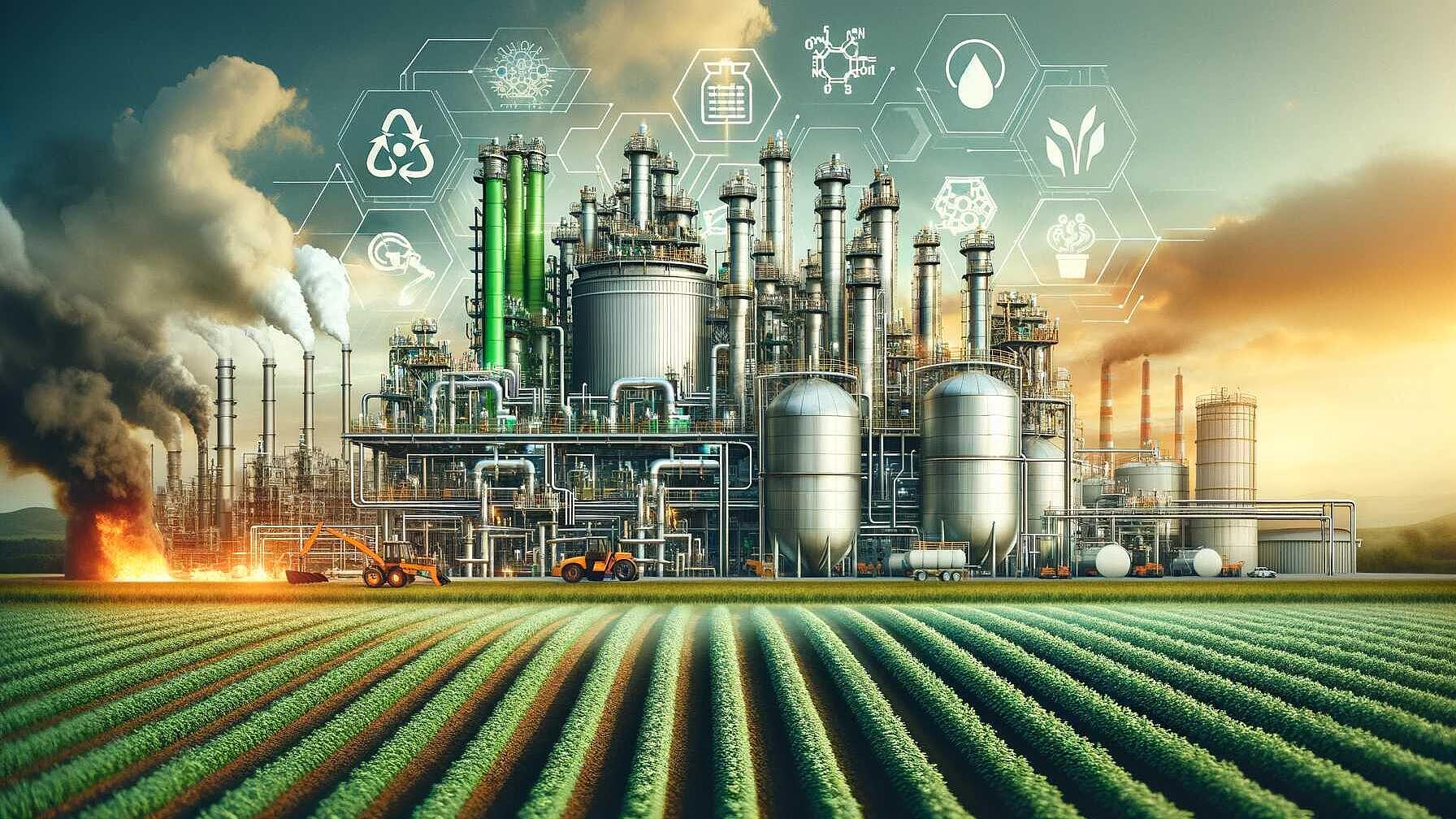
Revolutionizing Ammonia: The Quest for Sustainability and Efficiency in Fertilizer Production
The article discusses the environmental impact and need for innovation in the Haber-Bosch process for ammonia production. It explores greener alternatives, including the use of renewable energy and nitrogen-fixing enzymes, and the development of flexible reactors and advanced electrocatalysis methods for sustainable synthesis.
Read Full article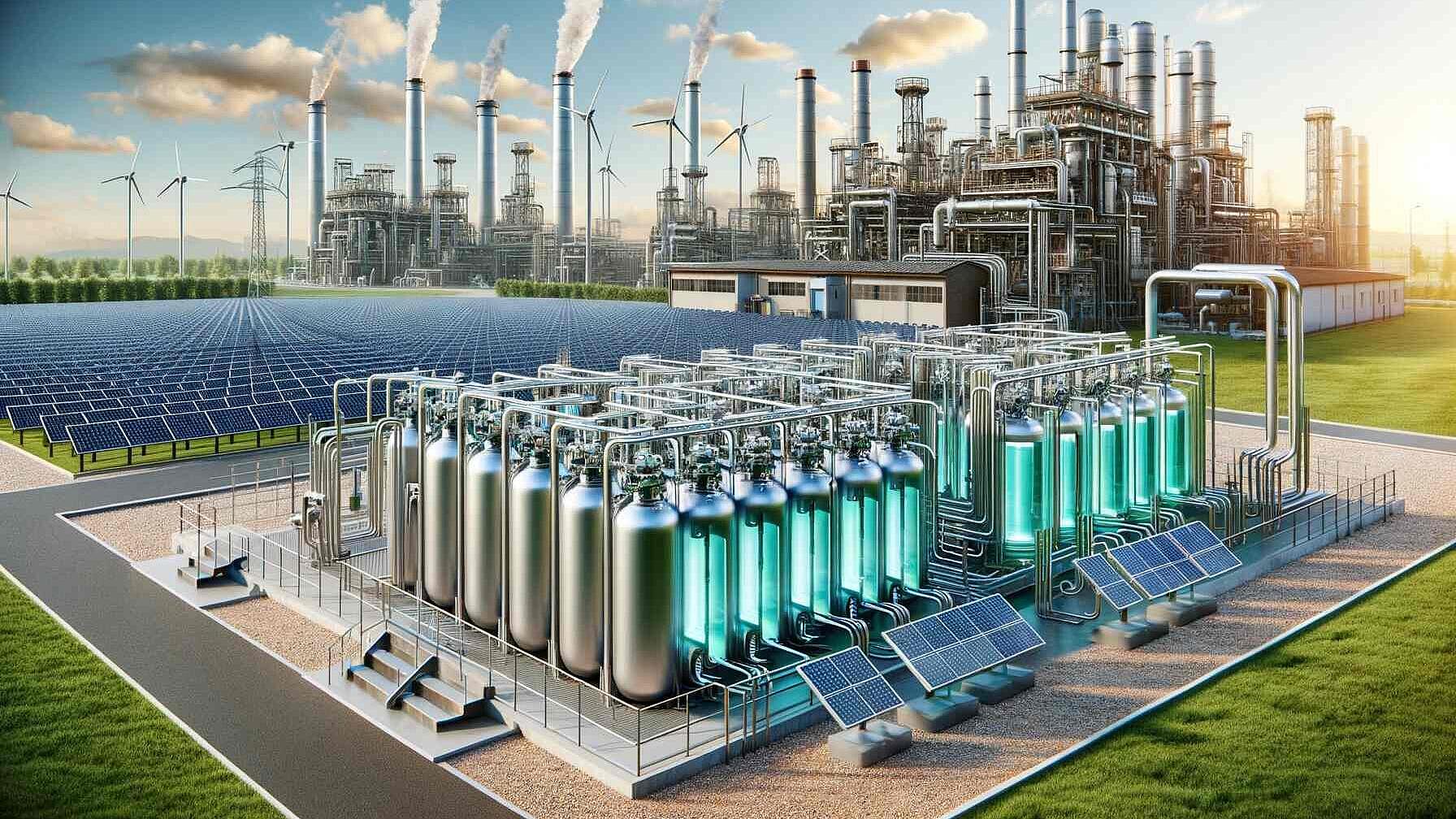
EU Policies for Advancing Green Hydrogen
The European Union is intensifying efforts to foster green hydrogen as a key component of its energy and climate strategy. Policies are being developed to support the production, distribution, and use of green hydrogen, aligning with the EU's broader goals of achieving carbon neutrality and sustainable economic growth.
Read Full article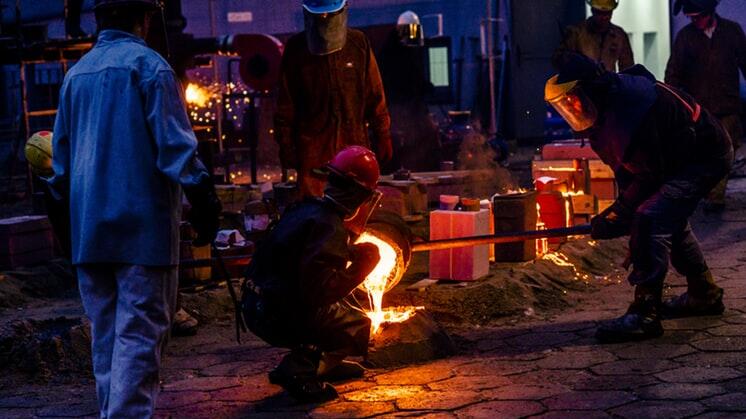
Decarbonisation of industrial heat: The iron and steel sector
Achieving deep decarbonisation by 2050 is only possible through new production processes. Electricity demand of the sector could increase three-fold by 2050. The production of steel from recycled scrap increases by a range of +30% to +70% versus.
Read Full article
Summary of the IEA Electricity Market Report 2023
The IEA Electricity Market Report 2023 paints a picture of a world grappling with the dual challenges of meeting growing energy demands and transitioning to a more sustainable and low-carbon energy future. Low-emission power sources are poised to meet nearly all the global electricity demand growth by 2025.
Read Full article