 Artigos
Este estudo aprofunda o conceito de economia circular, que dá prioridade à conversão de resíduos em recursos valiosos e incentiva a reutilização de produtos. A StartUs Insights emprega a sua Plataforma de Descoberta orientada por Big Data e IA para identificar startups e tecnologias que estão a influenciar a Economia Circular. A sua análise engloba 3.964 startups, revelando oito tendências proeminentes e 16 soluções inovadoras. A tendência da economia circular está a revolucionar a gestão de resíduos através de múltiplas vias, como a geração de recursos a partir de resíduos, a otimização da recolha de resíduos orientada pela IoT e a triagem de resíduos assistida por IA. Também defende práticas sustentáveis como a reutilização, reparação e refabricação de produtos. A tecnologia Blockchain desempenha um papel crucial, permitindo a rastreabilidade dos produtos e recompensando o comportamento ecológico. As startups de economia circular operam a nível global, com uma forte presença na Europa Ocidental, uma pegada crescente nos EUA e uma atividade crescente na Ásia, em particular na China e na Índia. Estas startups estão a criar soluções engenhosas em vários sectores, transformando resíduos em recursos valiosos e promovendo a sustentabilidade.
Leer Artigo completo
Aproveitar o carbono: o ambicioso plano europeu de gestão do carbono industrial
A estratégia de gestão do carbono industrial da UE tem como objetivo a neutralidade climática até 2050, visando inovações na captura e utilização de carbono (CCU), na captura e armazenamento de carbono (CCS) e no transporte de CO2 através de uma rede de 19 000 km. Esta abordagem transformadora, que promove uma cadeia de valor do carbono, poderá gerar entre 45 e 100 mil milhões de euros e criar entre 75 000 e 170 000 postos de trabalho até 2030, posicionando simultaneamente a UE como líder mundial em tecnologias de gestão do carbono. A estratégia coloca a tónica no investimento, na I&D, na participação do público, na cooperação internacional e no desenvolvimento regulamentar.
Leer Artigo completo
A revolução das energias renováveis: Alimentar o nosso futuro
Os estudos traçam cenários para um sistema de energia 100% renovável até 2050, destacando a eletrificação, a predominância da energia solar e eólica, a criação de emprego, a flexibilidade da rede, a importância do armazenamento de energia, o papel do hidrogénio verde e os benefícios socioeconómicos, incluindo ganhos em termos de saúde e emprego.
Leer Artigo completo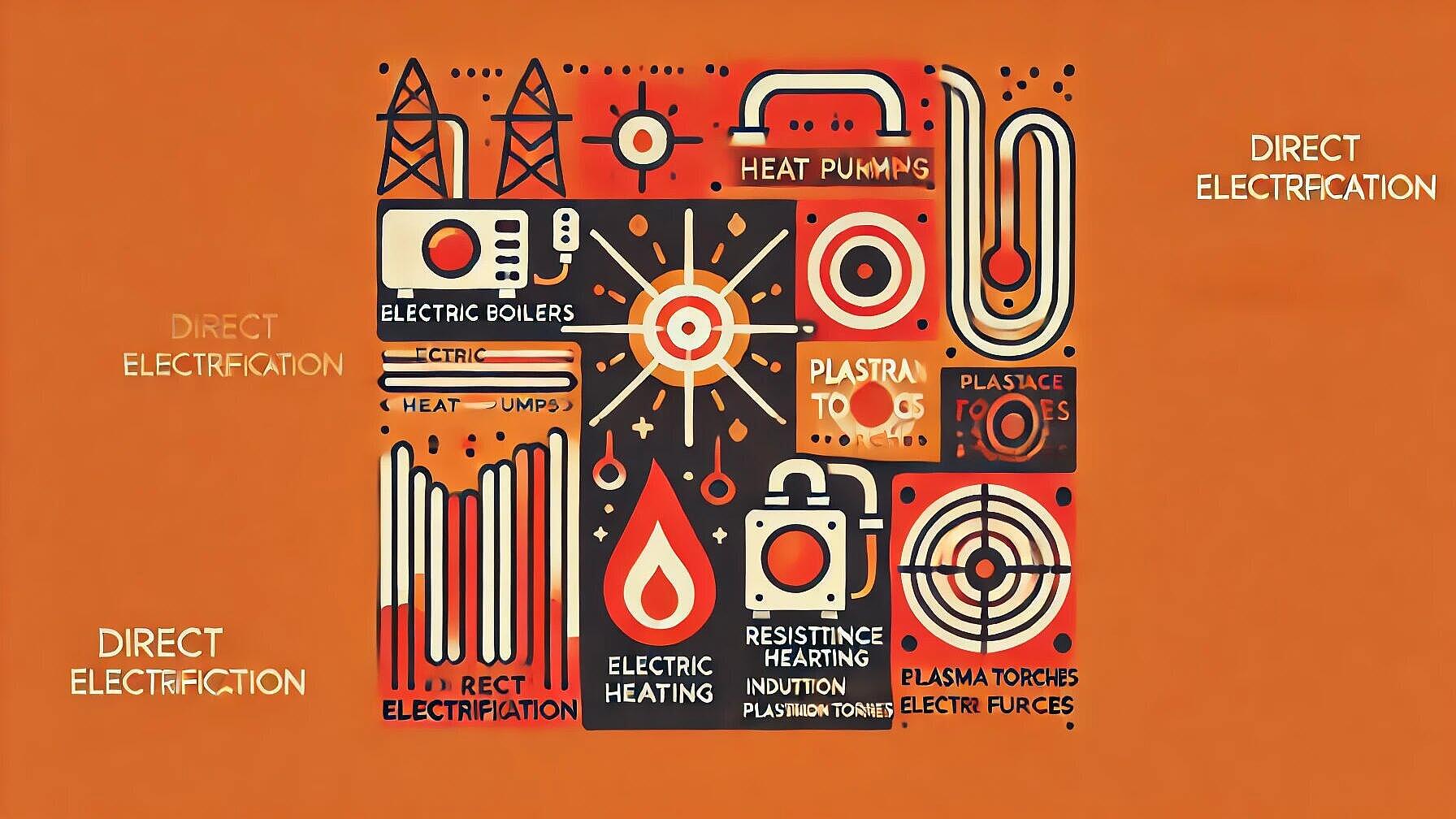
Electrifying Industry: The Path to Decarbonizing Process Heat
The Agora Industry study outlines direct electrification's potential to fulfill 90% of industry's non-electrified energy demands in Europe by 2035, highlighting a key opportunity for CO2 reduction and progress towards EU climate targets.
Leer Artigo completo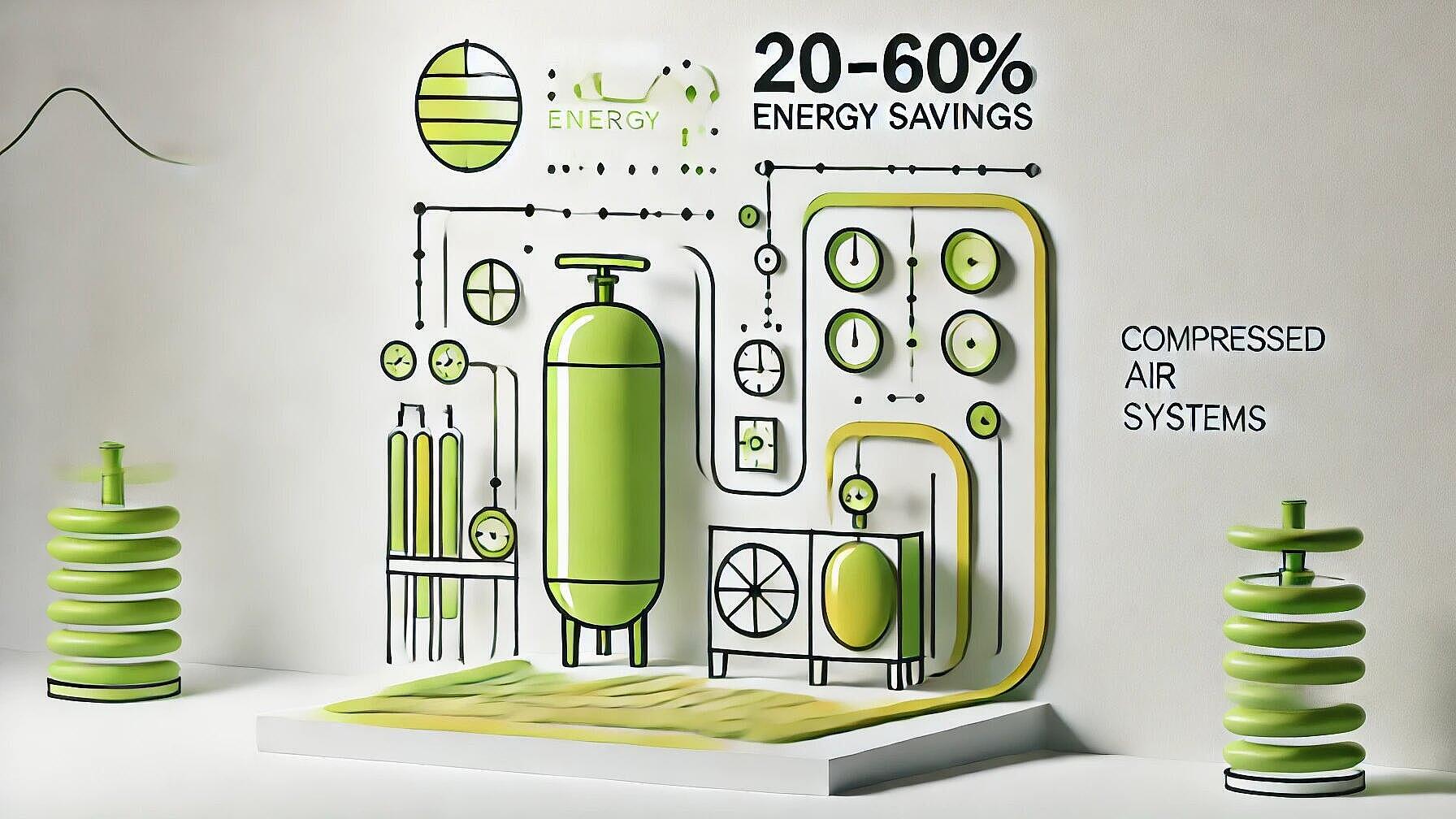
Powering Efficiency: Revolutionising Compressed Air Systems for a Sustainable Future
This study examines energy savings achievable in industrial compressed air systems (CAS). It highlights common inefficiencies such as leaks, improper storage, and suboptimal compressor location. Implementing best practices can reduce energy usage by 20-60%, implying substantial cost and environmental benefits.
Leer Artigo completo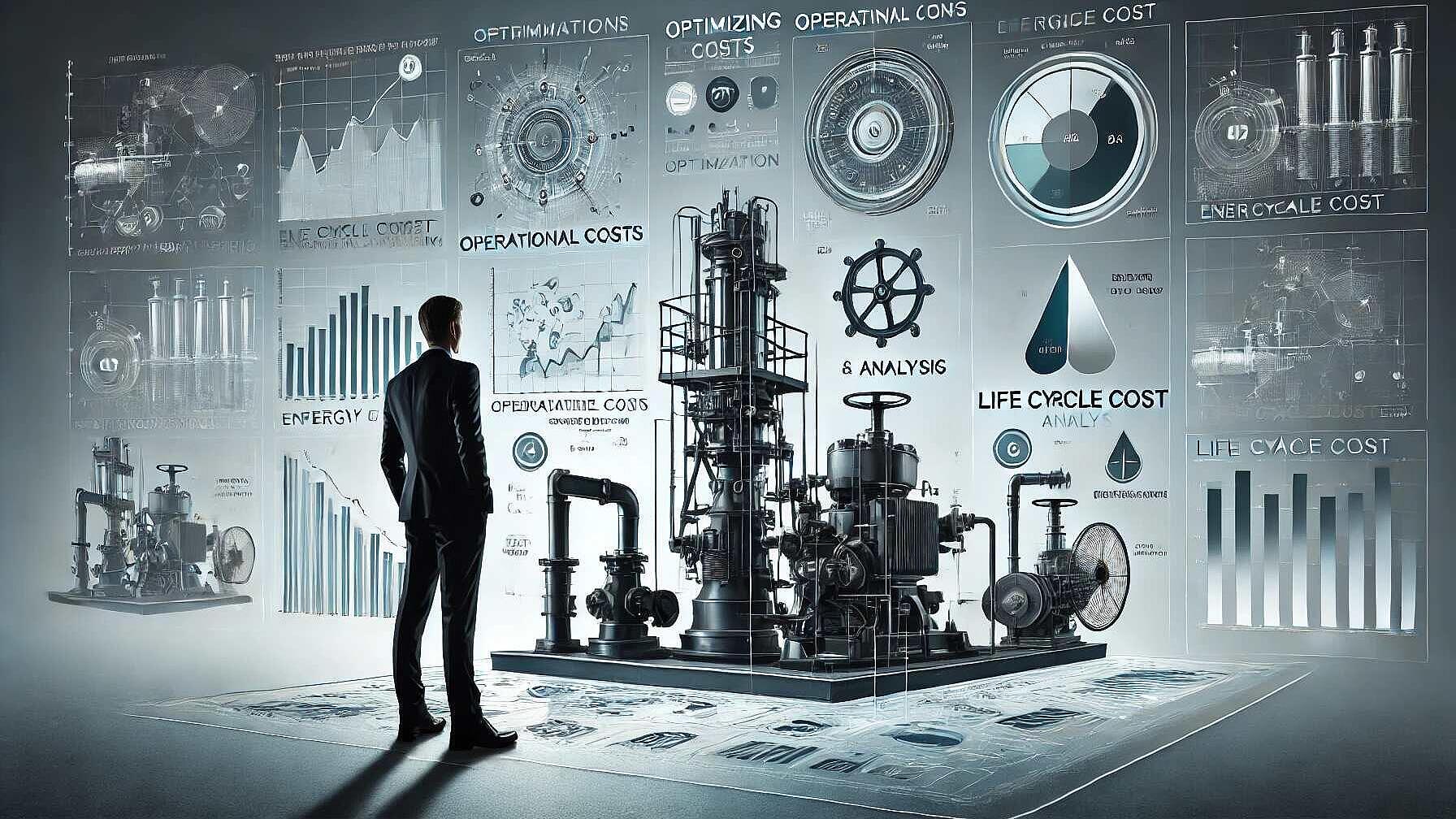
Revolutionizing Pump Systems: The Power of Life Cycle Cost Analysis
Pumping systems represent significant energy and cost usage in industrial operations. Implementing thorough Life Cycle Cost (LCC) analysis can yield major savings by encompassing all ownership costs from initial purchase to decommissioning. Proper design, avoiding oversizing, and maintenance are crucial strategies.
Leer Artigo completo
Digital Solutions for Energy Efficiency in Industry
The 4E TCP report demonstrates how digital solutions in industrial motor systems enhance energy efficiency, with case studies showing benefits like reduced electricity consumption, improved operational flexibility, and lower maintenance costs. Advanced control systems, real-time data monitoring, and IoT technologies lead to significant energy and CO2 savings across various sectors, despite initial investment and implementation challenges.
Leer Artigo completo
Digital Revolution in Motor Systems: Powering the Future of Energy Efficiency
The paper highlights the revolution of motor systems through digital technologies enhancing efficiency, despite challenges such as lack of standardization and cybersecurity risks. Innovations include smart sensors, IoT, and AI-driven analytics, with case studies showing significant energy savings. Opportunities exist for professionals in data science and cybersecurity.
Leer Artigo completo
Powering Europe's Clean Energy Future: Key Elements of the EU Energy Efficiency Directive
The EU Energy Efficiency Directive sets binding targets to reduce energy use by 2030 and introduces measures across sectors for energy savings, prioritizing efficiency, sustainability, and enhanced energy security for European citizens and businesses, requiring member states to implement various efficiency strategies and reporting mechanisms.
Leer Artigo completo
Doubling Energy Efficiency Progress: A Key to Achieving Climate Goals and Energy Security
The IEA's Energy Efficiency 2023 report calls for doubling global efficiency efforts to 4% annually for achieving net zero targets, highlighting significant regional progress, job creation potential, and the necessity for a transformative industry shift, supported by robust policies and investment.
Leer Artigo completo