 Articles
Taking control of the energy transition… 5 ways our cities can tame the energy beast!
Cities of any size need to draw a line in the sand and assess where they are today. Assess what is the cities current consumption, what infrastructure assets already exist, how is energy already used? Consider the citys direction of travel - cities around the world are declaring climate emergencies as well as seeking to address local pollution. Look to your neighbours for collaboration opportunities - do neighbours have excess photovoltaic panels or spare heat (such as data centres which eject huge amount of heat off the roof!!) alternatively do neighbouring businesses and government buildings need to charge electrical vehicles overnight (for example delivery vans) whereas commuters need tocharge them in the day? The future energy world is all about collaboration - network pinch points particularly electrical are going to drive us together into local problem solving. City representatives can play a huge part in facilitating and leading that collaboration. And finally cities need to make small steps now in the direction you want to go to the future electric vehicles.
Read Full article
An initiative to establish battery cell production in Germany and Europe
Two large-scale European projects are currently being developed in Europe to innovate and manufacture battery cells. The projects are to cover the entire value chain of battery cell manufacturing, from the materials to manufacturing and recycling. European Commission gave go-ahead for .
Read Full article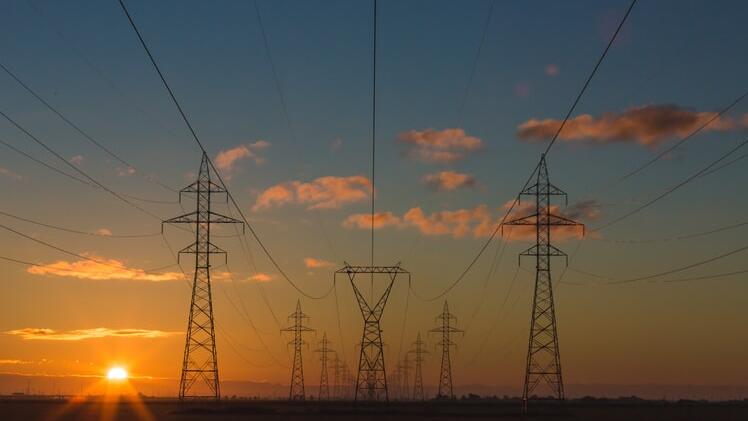
The DSO of the immediate future
In the coming years, more customers will have smart meters installed, and the use of electronic invoicing is increasing rapidly. The current grid is the result of 100 years of history during which the grid has been fundamentally exploited the same way as the first day.
Read Full article
Internet of Things self-powered sensors and devices now possible with new material
A material with thermoelectric properties has been invented by researchers at the Institute of Solid State Physics, Vienna University of Technology. The material converts incidental heat to electricity to generate enough energy to power devices. It is ideal for electronics running without a battery.
Read Full article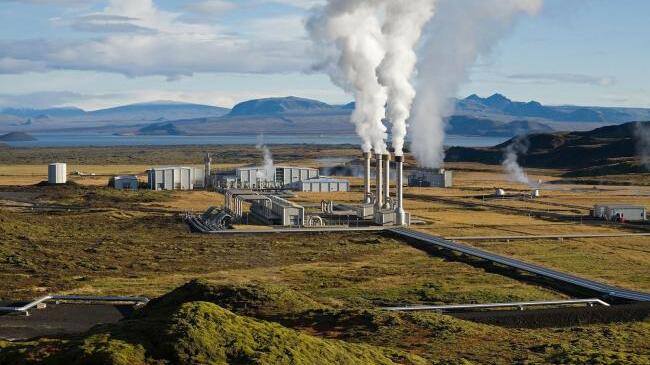
The possibilities and limitations of Geothermal energy
Turning to alternative and renewable sources of energy is one way to secure the stability of our planet. geothermal energy harnesses the pockets of steam, hot water, and rock beneath the Earths surface to generate electricity and power heating/cooling systems.
Read Full article
5 Strategies that achieve climate mitigation and adaptation simultaneously
Coastal wetlands, mangroves and seagrasses are unique coastal ecosystems. They defend coasts against sea level rise by buffering storm surges and floodwaters. Mangrove forests currently hold the equivalent of more than two years of global.
Read Full article
New green tech generates electricity from atmospheric humidity
Scientists at the University of Massachusetts Amherst have created a device that uses a natural protein to create electricity from moisture in the air. The Air-gen connects electrodes to the protein nanowires in such a way that electrical current is generated from the water.
Read Full article
Uruguay, Latin America’s renewable champion
Uruguay now produces more than 97 percent of its electricity from renewable energy sources. The country has undergone a remarkable change in its energy sector in recent years. Wind farms across the country had lowered these costs by more than 200 million US dollars annually.
Read Full article
China is investing $13 trillion in construction. Will it pursue zero carbon buildings?
China has the largest buildings market in the world, making up 20% of all construction investment globally. China is expected to spend nearly $13 trillion on buildings by 2030. Building operations are responsible for 28% of global energy-related carbon emissions.
Read Full article
Some like it hot – Is Hydrogen the answer to those needing it a little warmer?
Hydrogen is a fuel that burns up to 2800 degrees Celsius (about 700C simply burned in air) It can also be compressed and stored so has potential for transport. We need to be more clear and honest about how we talk about Hydrogen.
Read Full article