 Articles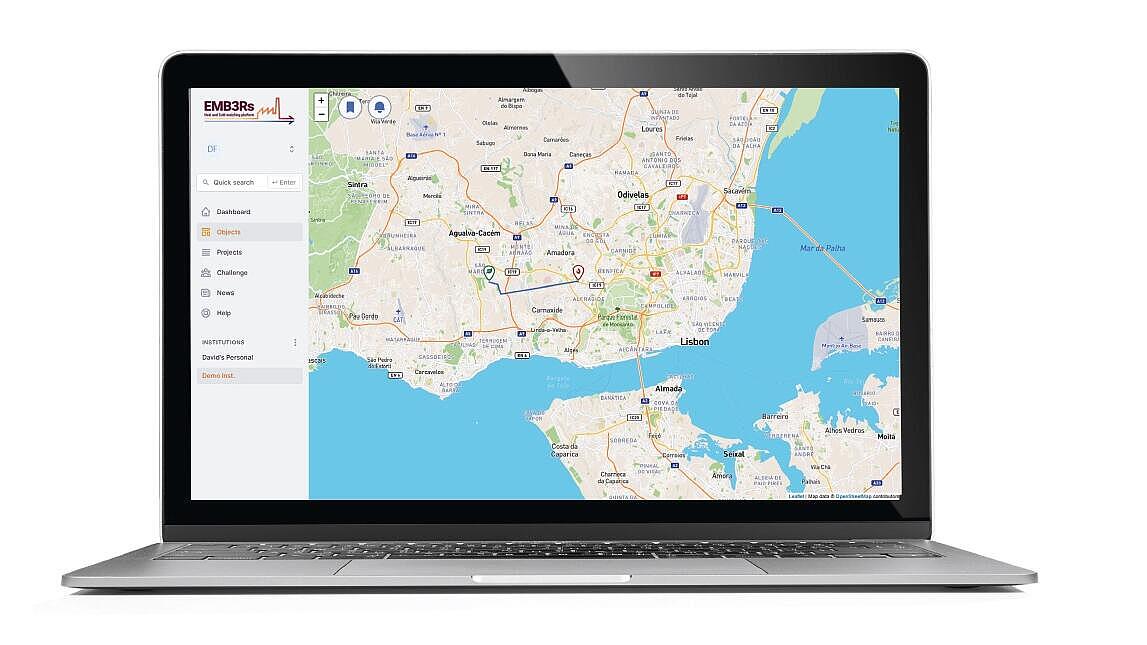
An Uber for heat: How a new platform can help industries reuse excess heat and meet decarbonisation goals
Mafalda Silva is a Senior Researcher at the Institute of Science and Innovation in Mechanical and Industrial Engineering. She has participated and managed multiple projects concerning energy planning and sustainability. Silva has developed a heat and cold matching platform that determines the costs and benefits related to excess heat utilization routes for the industry and end users. The EMB3Rs project is ending soon, but Silva would like it to be used as much as possible by the different target stakeholders and hopefully become a reference tool in the field. The platform will remain available and accessible online at least over the next five years. The project has also created several resources to support its continued use, such as manuals and a video tutorial that will be accessible through the project website once they are approved.
Read Full article
Unveiling the Energy Footprint of Europe's Food Sector
The EU food sector is a major energy consumer with significant potential for efficiency improvements and renewable energy integration, including bioenergy from food waste and on-farm biogas, though it remains heavily reliant on fossil fuels. Recent innovations and consumer behavior changes, together with EU policies, are fostering a transition to a more sustainable energy footprint.
Read Full article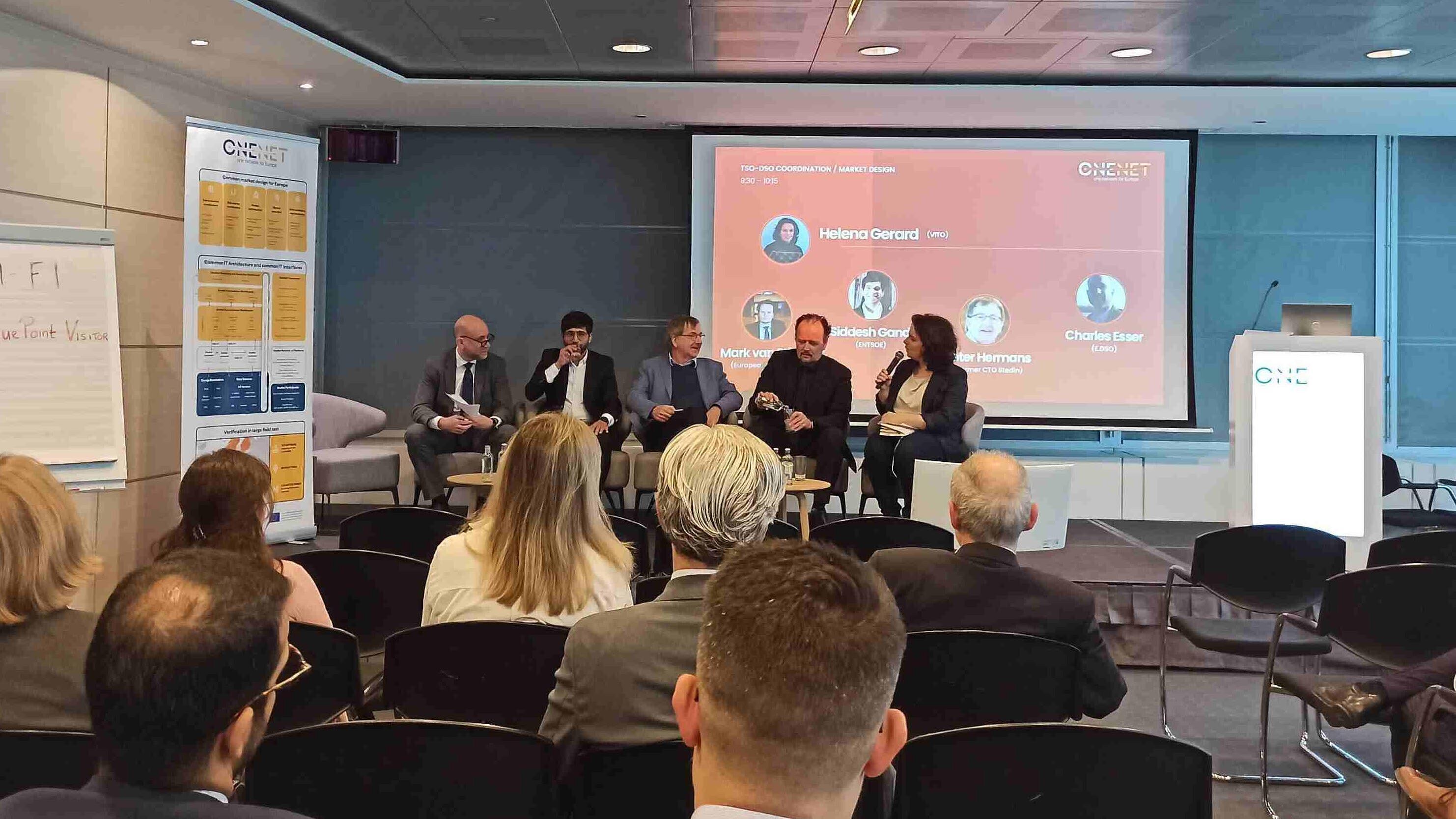
TRANSFORMATIVE EFFORTS IN RESHAPING EUROPE'S ELECTRICAL LANDSCAPE: INSIGHTS FROM THE ONENET PROJECT FINAL EVENT
The OneNet Project Final Event marked the culmination of efforts to reshape Europe's electricity system. Key topics included TSO-DSO coordination, market design, consumer engagement, and leveraging data for grid operations. The initiative aligns with EU interoperability objectives and promotes a sustainable, unified market.
Read Full article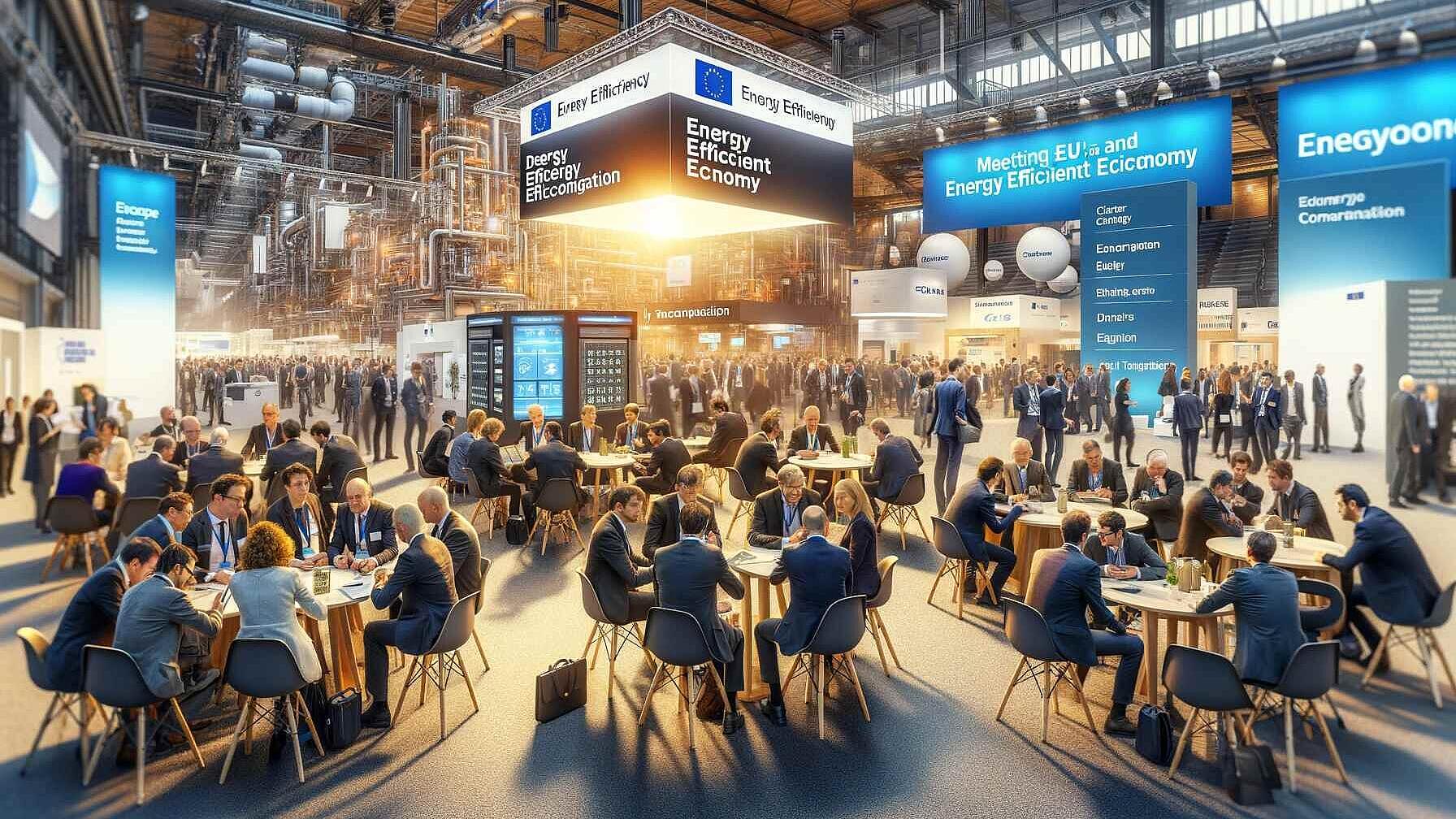
Decarbonising Industry: Stepping into the unknown?
The eceee industrial energy efficiency conference in Antwerp focused on the imperative for industry to achieve deep decarbonisation while remaining competitive. Themes included future challenges, energy management, and change drivers, acknowledging the complexity of decarbonising industries in under three decades.
Read Full article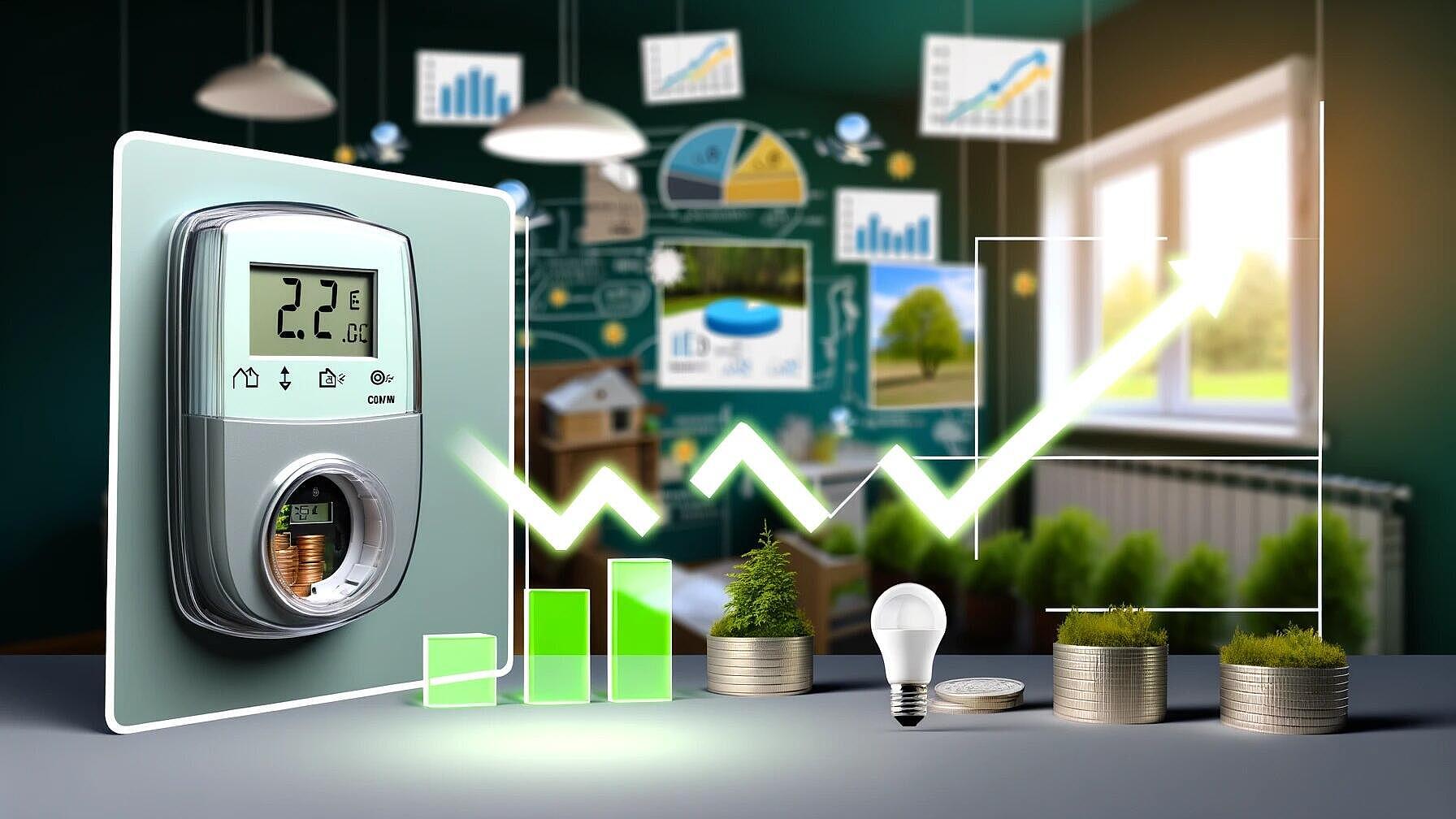
The RetroMeter project: using metered energy savings to make energy efficiency more investable
This article discusses institutional investors' perspective on energy efficiency and how metered efficiency could spur investment. It addresses financial institutions' growing interest in energy efficiency due to market potential, risk mitigation, carbon emission reduction, and regulatory pressure. Barriers like small project scale, heterogeneity, data scarcity, and performance risk inhibit investment. The concept of metered efficiency, akin to Power Purchase Agreements, is presented as a solution to align payment with actual energy savings, enhancing investability and quality assurance in energy efficiency projects.
Read Full article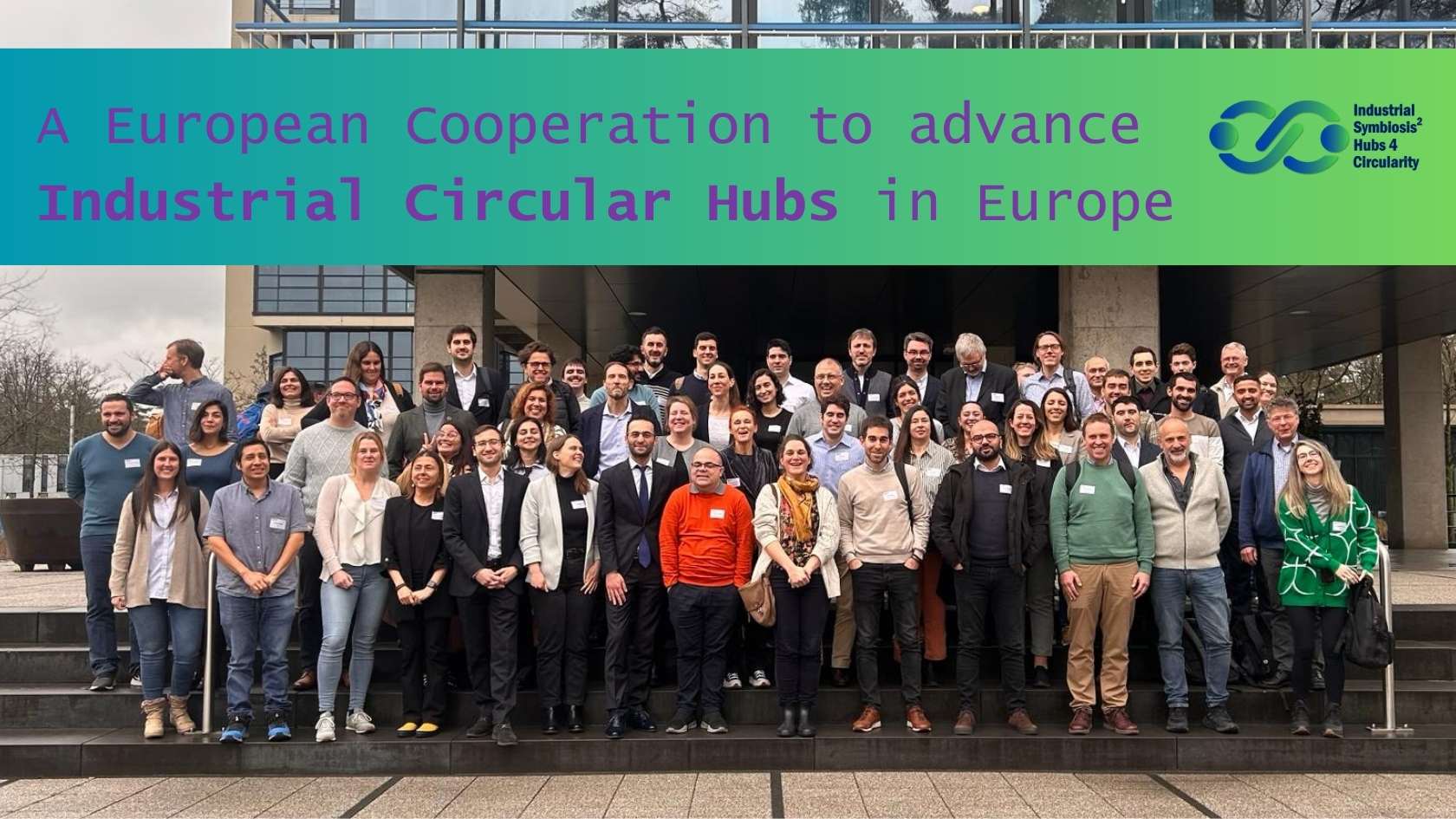
From Industrial Symbiosis to Hubs for Circularity, the IS2H4C Projects kicks-off!
The IS2H4C project, funded with €20 million by the European Commission, aims to revolutionize sustainable regional development through creating four industrial symbiosis hubs in Europe. The consortium of 31 partners will focus on circular economy models, financial schemes, and social innovation to facilitate systemic shifts and sustainable industrial practices.
Read Full article
Emissions Impacts of Alternative Fuels Combustion in the Cement Industry
The study analyzes alternative fuel impacts on U.S. cement industry emissions, finding marginal CO2 reductions and variable non-CO2 pollutant changes. Fuel types examined include waste and biomass, with a focus on CO2, SO2, NOx, and PM emissions across different replacement scenarios.
Read Full article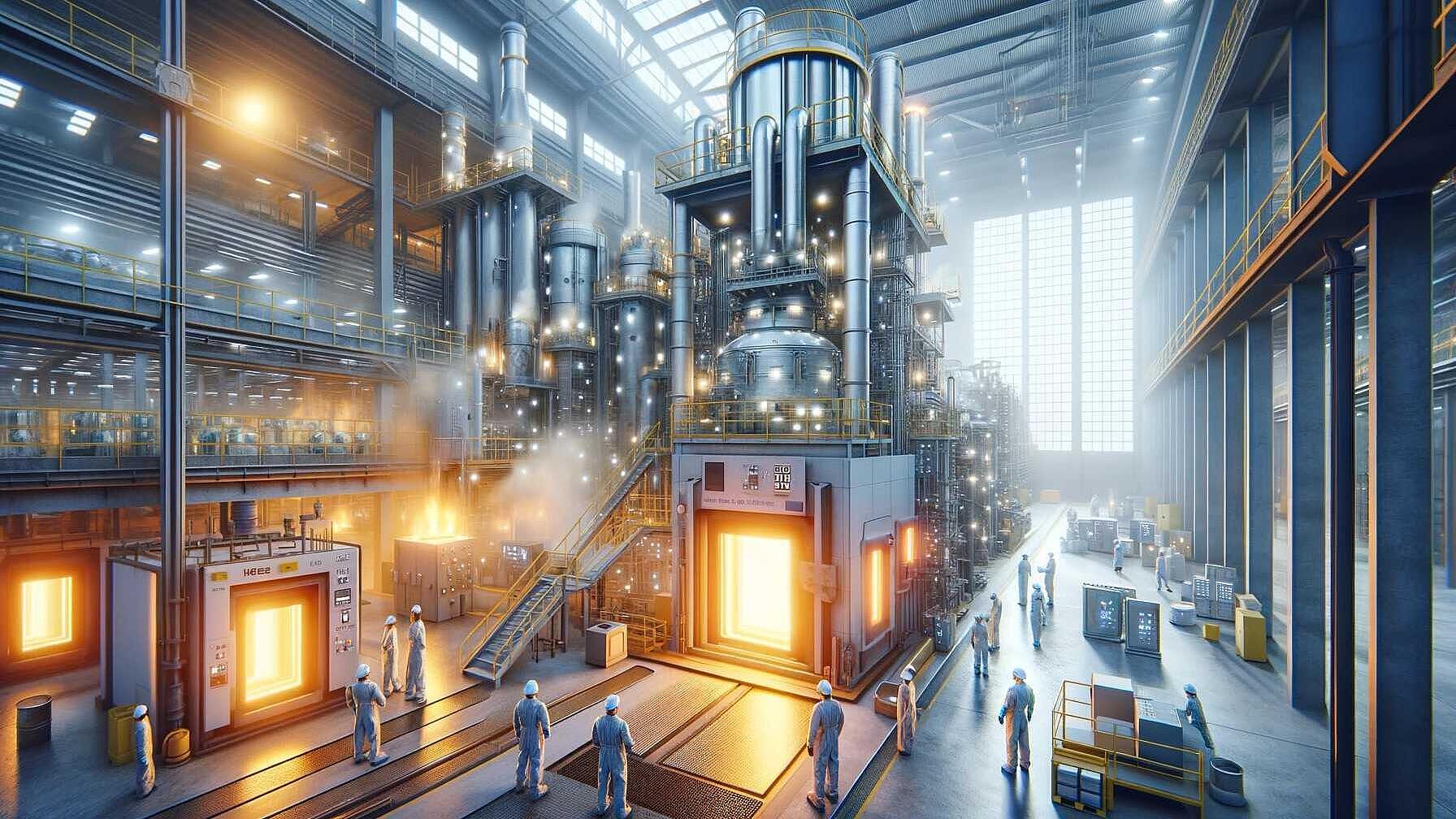
eLITHE project ignites the future of Sustainable Ceramic Industry decarbonization
The eLITHE project, funded by the EU and coordinated by Spain's Fundación CIRCE, aims to decarbonize the ceramic industry by electrifying high-temperature thermal processes. Running until 2027, with demonstrations in Spain, Greece, and Germany, it employs innovative heating solutions and digital technologies.
Read Full article
WSED 2024: Energy Efficiency now – fast, smart, resilient!
The European Energy Efficiency Conference in Wels, Austria, from 6-7 March 2024, emphasizes urgent implementation of energy efficiency measures in response to fluctuating prices, geopolitical instability, and climate crisis. It addresses new EU targets, energy efficiency market demands, and showcases the EENOVA and DEESME EU projects. Over 60 speakers will cover policies, markets, financing, e-mobility, and industrial decarbonization. The event includes a tradeshow and opportunities for peer exchange and networking.
Read Full article
An overview of the ESCO industry
We need to triple global energy efficiency investment to meet COP28 goals. ESCO contracts can bridge the development gap by managing both technical and financial risks, fostering demand, and increasing financing capacity. Innovations like Super ESCOs, CaaS, LaaS, and standardized contract forms like EPCs can accelerate growth, but require policymakers, professionals, and financiers to align efforts for broad market scaling.
Read Full article