 Renewable Energy
Renewable Energy
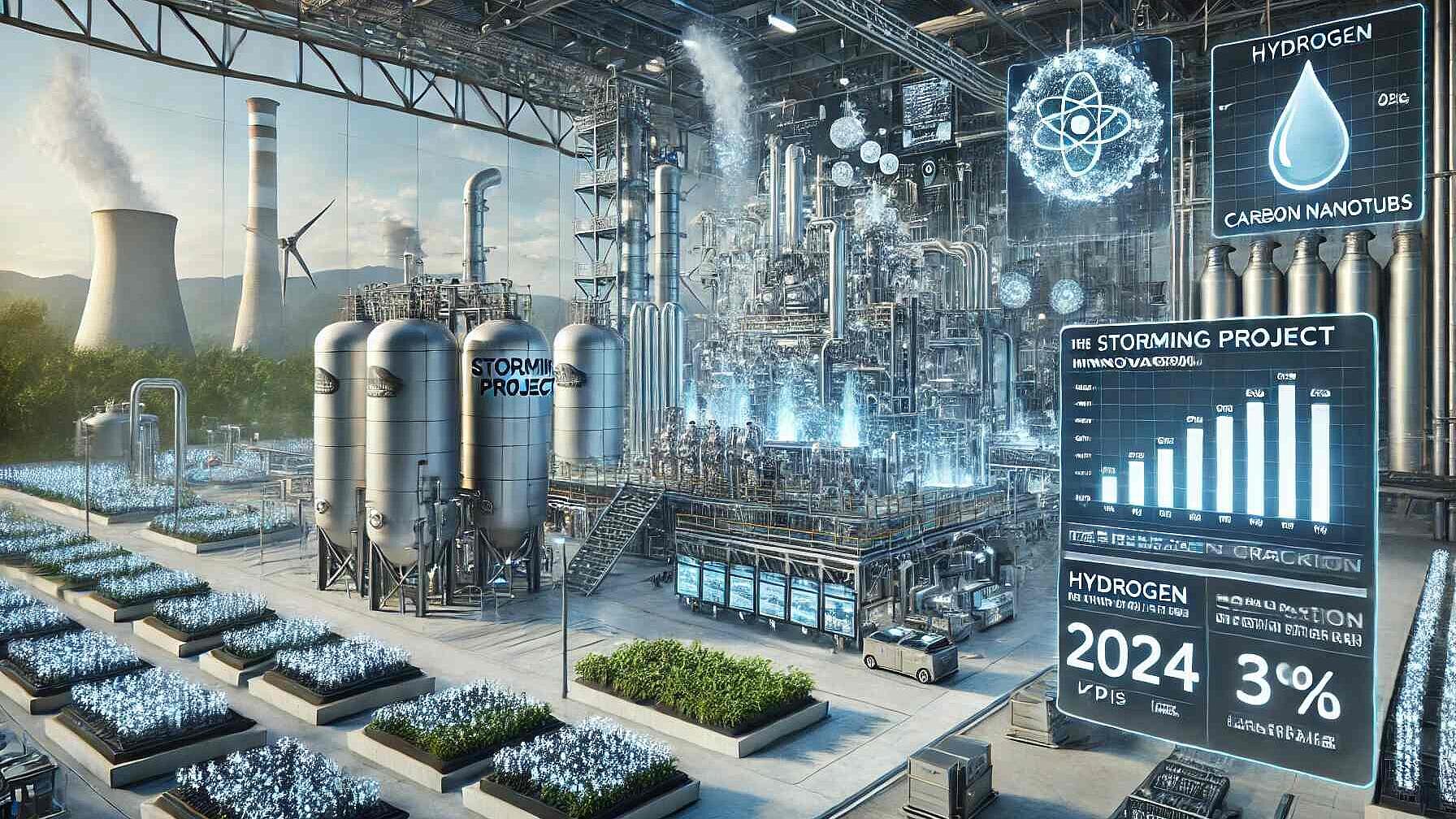
Integrating Innovation: The Role of STORMING Project in Aligning with the Hydrogen Pathways Report 2024
The STORMING project aims to innovate in hydrogen production through catalytic methane cracking, which yields hydrogen and carbon nanotubes (CNTs) without CO₂ emissions, serving as a CO₂-free alternative to steam methane reforming. The project intends to achieve over 60% energy efficiency, produce hydrogen at a cost below that of blue hydrogen, and scale the technology to a higher readiness level. Hydrogen Europe's 2024 report on hydrogen pathways identifies the need for scalable, low-carbon hydrogen production methods, categorizing technologies by "shades" with turquoise hydrogen being a promising CO₂ emission-free pathway. The STORMING project supports the report's call for diverse technology and contributes towards goals of decarbonizing industries and electrifying mobility using renewable electricity. The production of valuable CNTs potentially lowers hydrogen costs and offers environmental benefits by capturing carbon as solid material. Despite the project's potential, challenges include the energy-intensity of CNTs production and the necessity of industry collaboration for scaling and integration into existing industrial processes. The project's strategy aligns with the Hydrogen Pathways Report 2024, positioning it as a viable option to advance the hydrogen economy and contribute to the EU's energy and climate objectives.
Read Full article
Space-Based Solar Energy: Harnessing the Sun's Power from Orbit
Space-based solar energy (SBSE) overcomes terrestrial solar power limitations, offering continuous, efficient energy. Despite high costs and ecological concerns, advances in technology and interest from ESA and CALTECH's SSPD indicate its promising potential for sustainable energy.
Read Full article
Feeding the Future: Navigating Europe's Journey to Sustainability
The "From Farm to Fork" strategy under the European Green Deal sets ambitious targets like reducing pesticides, increasing organic farming, and halving food waste by 2030. It emphasizes environmental health and economic benefits, advocating technological innovation and stronger global partnerships for sustainable food systems.
Read Full article
The Great EENOVA Adventure: Benny the Baker's Wacky Quest for Energy-Smart Snacks!
FUN STORY: The EENOVA project enhanced energy efficiency in Foodville's food processing industry through whimsical roundtables, innovative audits, practical solutions, policy recommendations, celebratory events, skill training, and humorous communication strategies, leaving a sustainable and competitive legacy.
Read Full article
Transforming the Global Food Sector: A Path to Energy-Smart Practices
The FAO 2011 paper advocates for an energy-smart food system to enhance sustainability, reduce GHG emissions, and improve food security by boosting energy efficiency and integrating renewable energies across the food supply chain, while providing policy recommendations and calling for international cooperation.
Read Full article
An Uber for heat: How a new platform can help industries reuse excess heat and meet decarbonisation goals
Mafalda Silva is a Senior Researcher at the Institute of Science and Innovation in Mechanical and Industrial Engineering. She has participated and managed multiple projects concerning energy planning and sustainability. Silva has developed a heat and cold matching platform that determines the costs and benefits related to excess heat utilization routes for the industry and end users.
Read Full article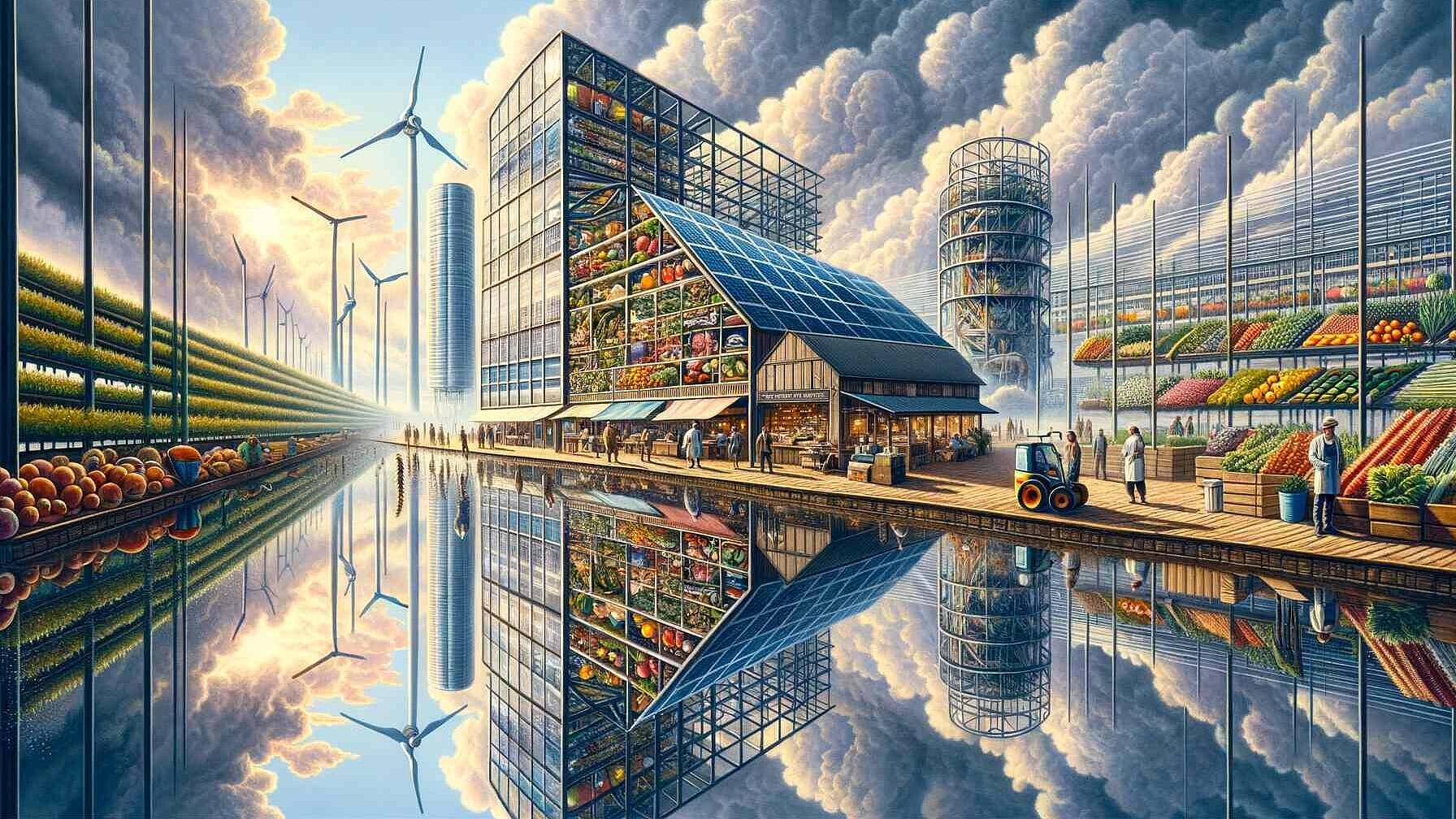
Unveiling the Energy Footprint of Europe's Food Sector
The EU food sector is a major energy consumer with significant potential for efficiency improvements and renewable energy integration, including bioenergy from food waste and on-farm biogas, though it remains heavily reliant on fossil fuels. Recent innovations and consumer behavior changes, together with EU policies, are fostering a transition to a more sustainable energy footprint.
Read Full article
The RetroMeter project: using metered energy savings to make energy efficiency more investable
This article discusses institutional investors' perspective on energy efficiency and how metered efficiency could spur investment. It addresses financial institutions' growing interest in energy efficiency due to market potential, risk mitigation, carbon emission reduction, and regulatory pressure. Barriers like small project scale, heterogeneity, data scarcity, and performance risk inhibit investment. The concept of metered efficiency, akin to Power Purchase Agreements, is presented as a solution to align payment with actual energy savings, enhancing investability and quality assurance in energy efficiency projects.
Read Full article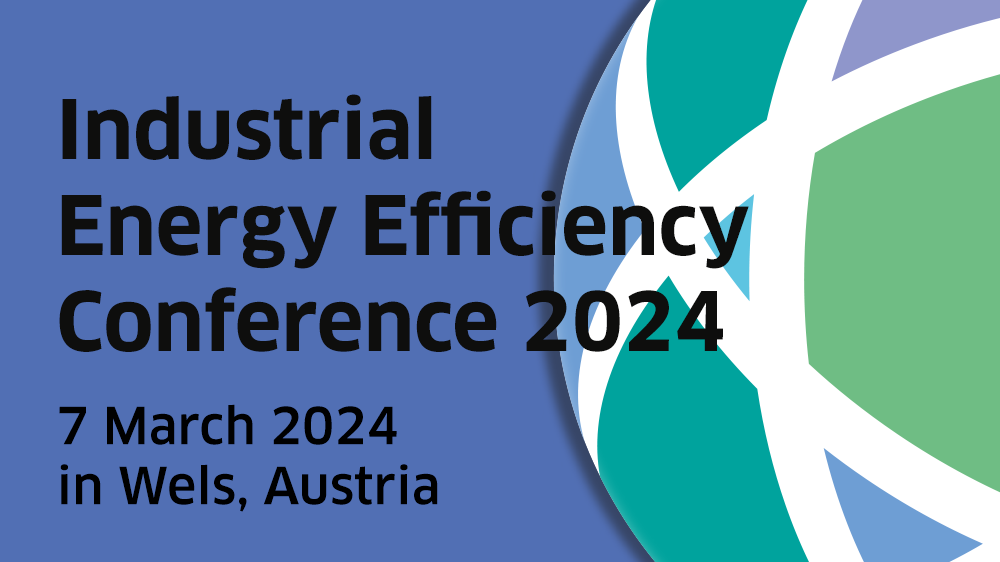
WSED 2024: Energy Efficiency now – fast, smart, resilient!
The European Energy Efficiency Conference in Wels, Austria, from 6-7 March 2024, emphasizes urgent implementation of energy efficiency measures in response to fluctuating prices, geopolitical instability, and climate crisis. It addresses new EU targets, energy efficiency market demands, and showcases the EENOVA and DEESME EU projects. Over 60 speakers will cover policies, markets, financing, e-mobility, and industrial decarbonization. The event includes a tradeshow and opportunities for peer exchange and networking.
Read Full article
Getting to grips with the complexities of industrial decarbonisation using soft systems
The article discusses the application of the soft systems model to industrial decarbonisation, emphasizing 'contextual evaluation'. This approach examines how decarbonisation measures align with an organization's broader policies and strategies. It involves assessing technical, financial, and contextual aspects to generate new ideas and requires thinking beyond conventional energy management boundaries.
Read Full article